

There’s a kind of relapse no one prepares you for.
It’s not the chaotic, crisis-style fall most people imagine. It’s the one that happens after the applause. After your 90-day chip. After people start introducing you in meetings as someone who “really turned it around.”
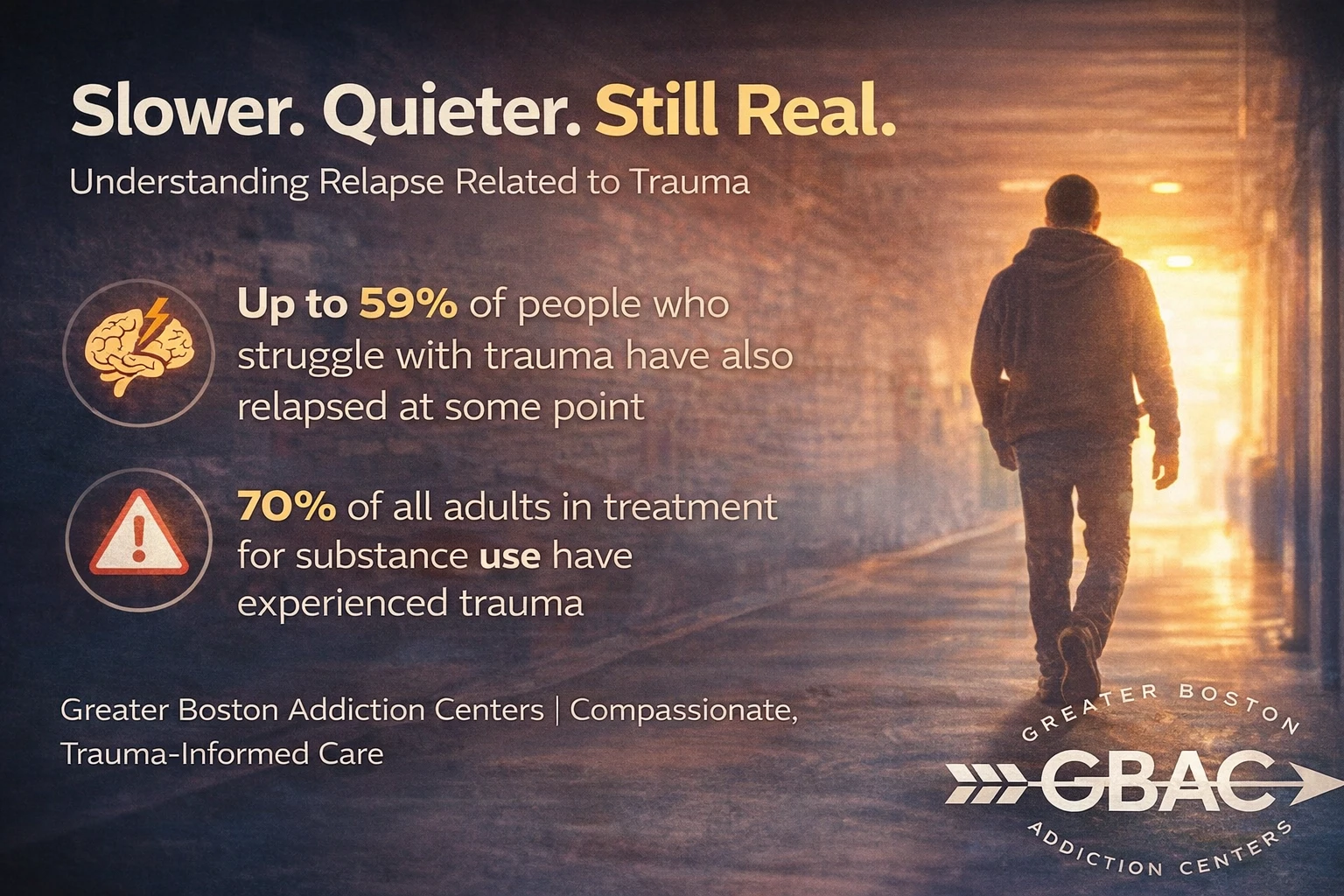
This relapse is quieter. Slower. But no less painful.
And for me, it had nothing to do with willpower. It had everything to do with trauma.
The Moment I Realized I Wasn’t Okay
I had 104 days.
I remember that number because I was starting to believe it. The recovery thing. I was showing up, doing the work, checking the boxes. My life looked better on paper, and people were starting to say it out loud.
“You seem good.”
“You’re glowing.”
“You’re crushing it, man.”
And part of me believed them.
Until the day I heard her name.
It wasn’t dramatic. Just a casual mention by someone else in the room. But it landed like a punch I didn’t see coming. My whole body reacted before my mind could catch up. My stomach dropped. My hands started to sweat. My jaw locked up. I tried to act normal, but I was spiraling inside.
That night, I didn’t go out partying. I didn’t even plan to use. I just couldn’t take the pressure building in my chest—the old panic that wrapped around me like a weighted blanket full of broken glass.
I reached for the one thing that used to make it stop. And just like that, I broke my streak.
When Shame Is Louder Than the Relapse Itself
The next morning, I didn’t feel high. I felt hollow.
And that hollow feeling didn’t come from the substance. It came from shame.
The voice in my head started right away:
- “You lied to everyone.”
- “You don’t deserve to go back.”
- “They’re going to think you were faking it the whole time.”
I didn’t relapse into using—I relapsed into silence.
I stopped answering texts. Skipped meetings. Dodged my therapist. I convinced myself I’d ruined everything.
But a week later, something strange happened. A friend from group sent a random message: “Thinking of you today. No pressure—just here if you want to talk.”
I cried reading it. Not because it fixed anything. But because it reminded me I wasn’t invisible. I wasn’t unlovable. I hadn’t been written off.
I Needed Something Deeper Than Talk Therapy
I eventually found my way back to therapy, shame still trailing behind me like a heavy coat I couldn’t take off. I admitted the relapse. My therapist nodded, gently, and said something I’ll never forget:
“You’ve worked hard. But it sounds like the trauma hasn’t caught up with the recovery yet.”
She was right.
I knew how to talk about what happened to me. But my body still reacted like it was happening now. My nervous system hadn’t gotten the memo that I was safe.
That’s when she brought up EMDR.
What EMDR Actually Feels Like
I’ll be honest—I was skeptical. Eye movement? Tapping? It sounded gimmicky at first. But she explained it differently.
EMDR isn’t about forgetting the trauma. It’s about helping your brain reprocess the memory—so it stops hijacking your present.
My first session was simple but intense. I brought up a specific memory, and as I followed her finger moving back and forth, I started to notice what came up: body sensations, flashes of old emotions, thoughts I hadn’t voiced out loud in years.
But something else happened too: the charge started to fade. The memory was still there, but it wasn’t choking me anymore.
Healing Trauma Made Sobriety Feel Safer
I didn’t realize how much energy I was spending avoiding my past until EMDR made it feel less threatening.
Over a few sessions, we worked through several trauma memories. Some big, some seemingly small—but all of them carried weight I didn’t know how to put down.
And as that weight lifted, I noticed something wild: I wasn’t constantly waiting to relapse. I wasn’t white-knuckling my days. I actually trusted myself more.
EMDR didn’t just help me stop relapsing. It helped me stop punishing myself for hurting.
Why We Don’t Talk About This Kind of Relapse
Because it doesn’t fit the story.
This kind of relapse—quiet, trauma-triggered, shame-soaked—doesn’t look dramatic from the outside. It doesn’t involve chaos or wreckage. It happens in bedrooms. Bathrooms. Cars parked outside group therapy buildings.
And that’s why it’s so dangerous. No one sees it coming. Including us.
But just because it’s quiet doesn’t mean it’s not real. And just because it happened doesn’t mean we’re disqualified from healing.
If You’ve Relapsed Quietly, You’re Not Alone
Maybe your relapse was a slip. Maybe it was a spiral. Maybe you haven’t told anyone yet.
Here’s what I wish someone told me:
- You’re not back at zero.
- Your progress still counts.
- Shame is a liar that sounds like truth when you’re hurting.
If trauma is part of your story—and it often is—consider that recovery might require more than meetings and mantras. You might need something like EMDR.
If you’re looking for EMDR in Dedham, Greater Boston Addiction Centers offers trauma-informed care with people who get it. People who won’t flinch when you tell the truth.
Frequently Asked Questions About EMDR and Relapse
What is EMDR and how does it work?
EMDR (Eye Movement Desensitization and Reprocessing) is a type of therapy that helps people process traumatic memories. It uses bilateral stimulation (like eye movements or tapping) to help your brain “unstick” painful memories and reduce their emotional intensity.
Can EMDR help with addiction?
Yes. EMDR isn’t a replacement for addiction treatment, but it’s a powerful tool for people whose substance use is linked to trauma. It can reduce triggers, lessen shame, and make sobriety feel more sustainable.
Do I have to talk about everything in detail?
No. EMDR doesn’t require you to explain every detail of your trauma out loud. You guide the process at your own pace, and much of the work happens internally.
How soon can I start EMDR after a relapse?
That depends on your treatment plan and emotional stability. Some people begin once they’re safely back in care. A therapist will help assess whether EMDR is the right step for you right now.
Will EMDR erase my memories?
No. It won’t delete or block your memories. Instead, it helps your brain file them in a way that makes them feel less overwhelming.
You’re Still in This Story
Relapse doesn’t mean you failed. It means you hit something tender—and maybe your system needs more support.
That support exists.
Call (877) 920-6583 or visit EMDR services in Boston, MA to ask what healing might look like now—not what it should’ve looked like back then.
You’re not too far gone. You’re not out of chances. You’re just in a deeper chapter.
And you don’t have to go through it alone.
