

I was one of those people who said treatment didn’t work.
Not once—multiple times. I went, I tried, I left. Or sometimes, I stayed and just checked boxes until the discharge papers came. Nothing stuck. Every program felt like a revolving door. I’d leave with a binder full of handouts and the same tangled mess in my head.
Eventually, I started thinking maybe I was just “unhelpable.” That some people get better, and some people stay stuck. And I had proof: I’d been through it all, and I still couldn’t hold my life together.
But then came DBT.
And while I didn’t expect much when I walked into my first session, what I found was something different. Something more practical. Less like therapy. More like finally learning how to function in my own mind.
DBT Didn’t Promise to “Fix” Me—It Offered Something Better
One of the first things I noticed about DBT was what it didn’t do.
It didn’t ask me to tell my life story on day one. It didn’t ask me to cry in front of strangers. It didn’t imply that if I just “wanted it enough,” I’d change.
Instead, it offered four things I’d never really had in a clinical setting: validation, structure, skills, and time.
The skills part changed everything for me. I didn’t have to figure out what was wrong with me—I just had to learn what to do when I wanted to scream, run, shut down, or say something I’d regret. That felt like a miracle.
Learning to Cope, One Skill at a Time
At first, DBT felt weirdly simple. There were acronyms. Worksheets. Bullet points. It was like an emotional user manual. I half expected it to be childish or condescending.
But when I actually started using the skills, something shifted.
STOP. TIP. Dear Man. Radical acceptance. I can still remember the day I used “Opposite Action” and avoided a meltdown that would’ve wrecked my whole week. For once, I didn’t have to white-knuckle my way through emotions—I had something to do with them.
And the best part? The people running the groups actually modeled the skills themselves. They didn’t talk down to us. They practiced what they taught. That built trust where I didn’t think trust could grow again.
I Didn’t Feel Like a Failure in This Room
When you’ve tried multiple treatment programs, it’s easy to start feeling like a walking disappointment. Even when no one says it out loud, the vibe is always there: Why aren’t you better yet?
DBT didn’t make me feel like that.
Instead of making me feel behind, it made me feel like I had tools I just hadn’t been taught yet. Nobody expects you to fix a car without a wrench, right? So why did I expect myself to handle trauma, shame, urges, and panic attacks without training?
DBT didn’t assume I had the tools. It gave them to me. Slowly. Repeatedly. Until they started to feel real.
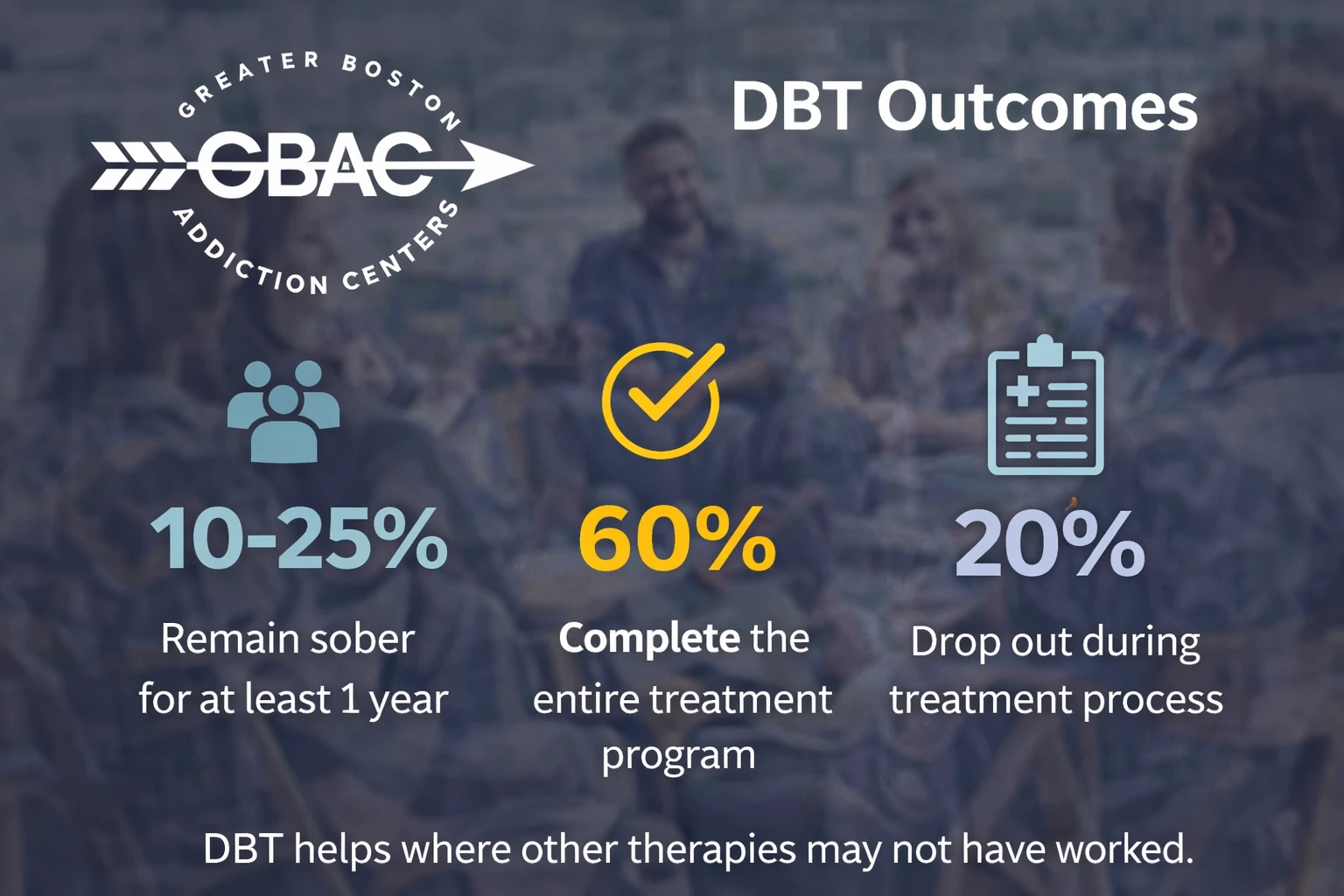
I Was Allowed to Be Skeptical—and Still Show Up
Something else that stood out: I didn’t have to believe it would work to begin.
No one asked me to love therapy. No one expected me to cry on cue or declare some big breakthrough. I showed up, mostly out of obligation. But I stayed because—quietly, slowly—it started making sense.
Even when I rolled my eyes at mindfulness. Even when I thought the acronyms were cheesy. Even when I didn’t use the skills between sessions and felt like a fraud.
They kept showing up for me. And eventually, I started showing up for myself.
DBT Felt Different Than Anything I’d Done Before
I’ve done traditional talk therapy. I’ve done groups that turn into trauma-sharing contests. I’ve done the “just breathe and be positive” kind of help that leaves you more alone than when you started.
DBT wasn’t like that.
It was pragmatic. Repetitive in a good way. Focused on behavior and belief. It didn’t ask me to be a better person—it asked me to be a person with better tools.
And even though I started out skeptical, I ended up surprised by how much I used those tools in real life. At work. In arguments. In panic. In grief. And yeah, sometimes even in moments of joy I would’ve missed before because I was too stuck in my head.
For people in Wellesley, Massachusetts who feel like they’ve tried everything, DBT might be the first thing that doesn’t ask you to change your whole identity—it just helps you survive your next 24 hours a little better than the last.
It Didn’t Cure Me. But It Gave Me Enough to Stay Here.
Let me be clear: I still have bad days.
I still deal with the same mental health stuff I walked in with. DBT didn’t erase it. What it did was give me space between impulse and action. Between panic and self-destruction. Between numbness and shutdown.
And sometimes, that space is the only reason I’m still here.
I used to think if a treatment didn’t fix me, it failed. Now I think if it helps me stay, reconnect, and rebuild—then it’s doing something real.
What I Wish I Knew Sooner
I wish someone had told me that not all therapy feels like therapy. That DBT isn’t just for one kind of person or one diagnosis.
I wish I knew that not believing in it at first doesn’t mean it won’t work.
And I wish I knew that the tools aren’t magic—they’re just muscles. You practice. You mess up. You practice again. But each time, it gets a little easier to stay inside your own life.
For people in West Roxbury, Massachusetts, DBT is available without needing to commit to a full residential program. Though if more support is needed first, Greater Boston Addiction Centers also offers support in Residential before stepping into outpatient DBT.
FAQ: What People Ask About DBT (Especially If They’re Skeptical)
What does DBT actually involve?
Dialectical Behavior Therapy (DBT) includes individual therapy, group skills training, and phone coaching support. It focuses on four main areas: mindfulness, distress tolerance, emotion regulation, and interpersonal effectiveness.
Is it just for people with borderline personality disorder?
Not at all. DBT is used for people with depression, anxiety, PTSD, addiction, and anyone struggling with intense emotions or harmful behaviors.
Do I have to “believe in it” for it to work?
No. Willingness is more important than belief. You can be skeptical and still benefit from DBT—especially if you show up and try the skills, even a little at a time.
How fast does it work?
DBT is a slow burn. You won’t feel “fixed” in a week. But if you stick with it, most people start to notice small shifts in behavior, impulse control, and emotional clarity within a few months.
Can I do DBT while in other types of care?
Yes. DBT can be part of an intensive outpatient program or added to a broader treatment plan. Many people layer it with trauma therapy or medication management.
You’re Allowed to Be Tired of Treatment—and Still Try Again
If you’ve walked out of more groups than you’ve completed… if you’ve been told “just use your coping skills” and wanted to scream… if you’ve tried to get better and still feel like a mess—you’re not alone.
And you’re not broken.
You just haven’t had the right tools yet. DBT might not fix everything, but it might give you just enough to make your life something you can actually live in. One skill, one breath, one pause at a time.
Want to try a kind of support that’s built for real-life survival, not perfection?
Call (877) 920-6583 to learn more about our Dialectical Behavior Therapy in Massachusetts.
