

I had the time. The milestones. The keychains.
What I didn’t have anymore was myself.
Going back to a partial hospitalization program wasn’t part of my recovery plan. I thought I was past that level of care. But somewhere along the way, I stopped feeling alive and started feeling managed. Returning didn’t mean I failed. It meant I was ready to grow again.
If you’re a long-term alum quietly feeling flat, this might be your chapter too.
When Being “Stable” Starts Feeling Like Being Stuck
Long-term sobriety can look impressive from the outside.
You show up. You pay your bills. You don’t relapse. You give advice to newcomers. You’re the reliable one now.
But internally? I felt muted.
Not depressed exactly. Not craving. Just disconnected.
I kept telling myself, This is what normal feels like.
But deep down, I knew I had started living cautiously instead of honestly.
Recovery had become maintenance.
And maintenance isn’t the same thing as growth.
Why I Even Considered A Partial Hospitalization Program Again
The idea embarrassed me at first.
I didn’t need detox. I didn’t need care in Residential. I wasn’t spiraling.
But I also wasn’t thriving.
What I needed was structure—real structure. Not just weekly therapy. Not just meetings. I needed immersion without disappearing from my life.
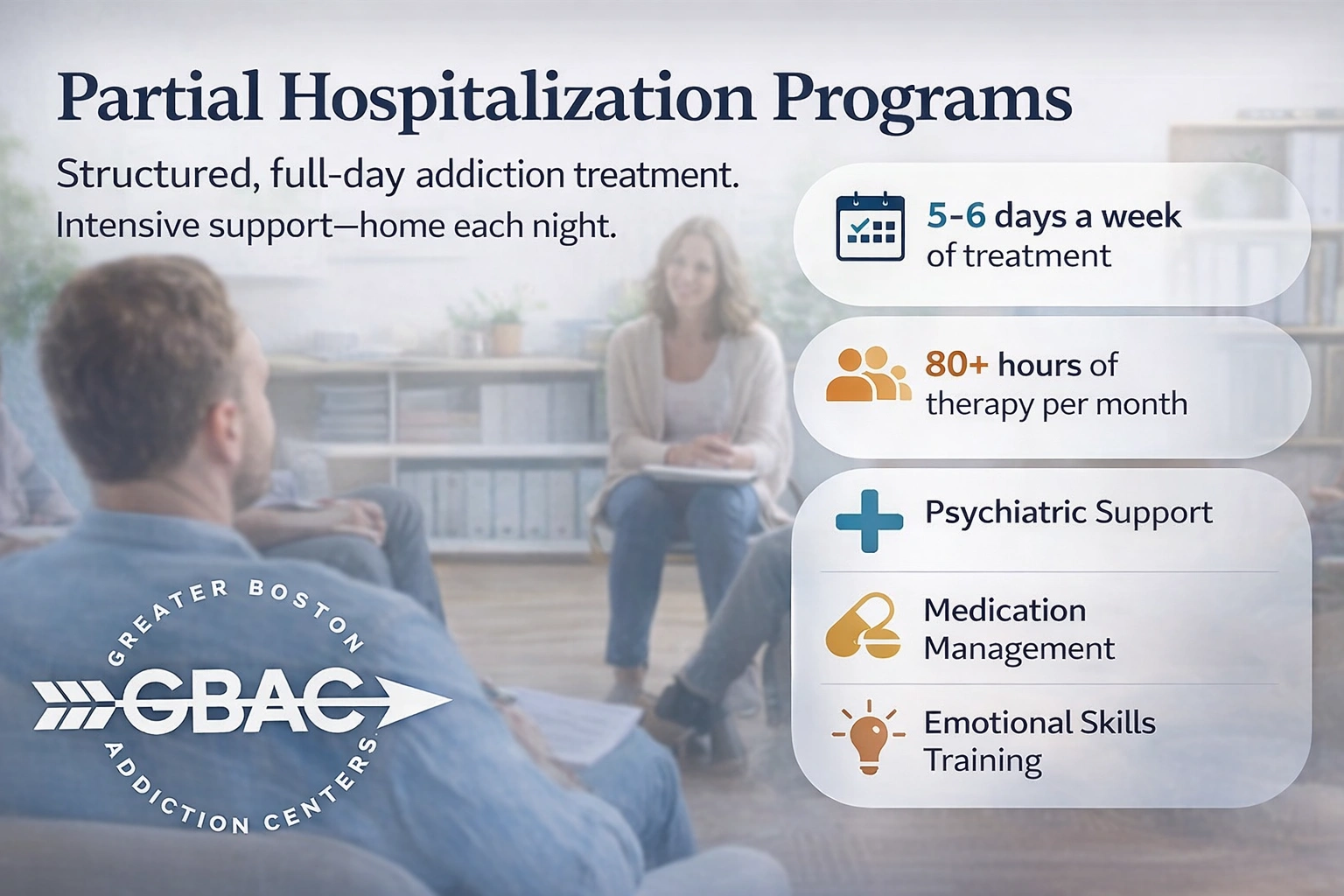
A partial hospitalization program gave me that middle ground. Intensive daily work. Evenings at home. Space to go deeper without starting over.
For alumni coming from communities like Needham, Massachusetts, that balance matters. You can engage in meaningful clinical work while still returning to your family at night.
The same goes for people traveling from Waltham, Massachusetts who want depth without uprooting everything they’ve built.
It’s not about regression. It’s about refinement.
The Quiet Shame Of Feeling Disconnected In Long-Term Recovery
No one prepares you for this stage.
You hit a year. Maybe several. People congratulate you. You become the “success story.”
Admitting you feel lost can feel like betrayal.
I thought:
- I should be further along.
- I shouldn’t need this much support.
- What will people think?
But here’s the truth: sobriety doesn’t freeze you in place. You keep evolving. And sometimes your recovery tools need to evolve with you.
A partial hospitalization program wasn’t about crisis intervention for me. It was about emotional recalibration.
What Was Different The Second Time Around
The first time I entered treatment, I was desperate. Raw. Stripped down.
The second time, I was composed. Functioning. Guarded.
That difference changed everything.
In a partial hospitalization program, I wasn’t just trying to avoid relapse. I was asking deeper questions:
- Who am I without chaos?
- What do I want now that survival isn’t my only goal?
- Where am I still hiding?
The daily therapy sessions pushed me past autopilot recovery. Group conversations hit harder because I wasn’t numbing with crisis anymore. I was confronting subtle emotional avoidance.
Sobriety had gotten me safe.
PHP helped me get honest.
The Emotional Work I Had Avoided For Years
Here’s the spicy truth.
You can be sober and still emotionally armored.
I had become efficient at managing my feelings instead of feeling them. Productivity replaced vulnerability. Helping others replaced self-reflection.
In the partial hospitalization program, that pattern surfaced quickly.
Therapists challenged me gently but directly. Peers mirrored back truths I didn’t want to see. I realized I had never fully processed certain losses from my using years.
I was stable—but emotionally underdeveloped in key areas.
That’s not failure. That’s growth waiting to happen.
The Structure That Made The Difference
The daily rhythm mattered more than I expected.
Morning check-ins. Process groups. Individual therapy. Skill-building sessions. Psychiatric support when needed.
That consistency created safety.
When you’re a long-term alum, you know the language of recovery. You know how to sound insightful. The partial hospitalization program stripped that performance layer away.
You can’t hide when you’re showing up five days a week.
And that’s a gift.
The Moment I Realized I Was Reconnecting
It wasn’t dramatic.
It was during a group session about emotional avoidance. Someone asked, “When was the last time you let yourself feel anger without fixing it?”
I couldn’t answer.
That silence told me everything.
Weeks later, I found myself laughing—really laughing—with other alumni in the program. Not polite. Not controlled. Just alive.
That’s when it clicked.
I wasn’t returning to treatment because I was broken.
I was returning because I wanted depth.
A partial hospitalization program gave me the container to expand.
Why Returning Didn’t Undo My Sobriety
I worried about optics.
Would people think I relapsed? Would they question my stability?
But here’s what I learned: recovery isn’t a straight staircase. It’s more like a spiral. You revisit familiar themes at deeper levels.
Going back into a partial hospitalization program didn’t erase my progress. It strengthened it.
It reminded me that asking for support is a skill—not a setback.
The strongest people I know in recovery are the ones who stay teachable.
What I Gained From Going Back
By the end of my time in PHP, I noticed shifts:
- I felt my emotions instead of managing them.
- I reconnected with creativity I’d buried.
- I repaired strained relationships by communicating differently.
- I let go of the pressure to be the “stable one” all the time.
- I remembered why I chose sobriety in the first place.
Recovery expanded again.
Not louder. Not flashier.
Just deeper.
Why This Built My Trust In Greater Boston Addiction Centers
Coming back as an alum could have felt awkward.
It didn’t.
The clinicians treated me with respect, not suspicion. They understood that long-term recovery has seasons. The partial hospitalization program wasn’t framed as punishment or failure. It was framed as growth.
That matters.
Trust isn’t built by promising you’ll never struggle again. It’s built by meeting you honestly when you do.
If You’re A Long-Term Alum Feeling Flat
Let’s say the quiet part out loud.
You can be sober and still feel stuck.
You can have years and still feel emotionally dry.
You can love recovery and still need more structure for a season.
A partial hospitalization program isn’t just for crisis. It can be for reconnection. For refinement. For remembering who you are becoming—not just who you were.
You’re allowed to deepen your recovery.
You’re allowed to return.
Frequently Asked Questions
Is Returning To A Partial Hospitalization Program A Sign Of Relapse?
No. Many long-term alumni return not because they’ve relapsed, but because they recognize emotional stagnation or the need for deeper therapeutic work. Seeking support is proactive, not reactive.
How Is PHP Different The Second Time Around?
For alumni, the focus often shifts from stabilization to growth. Instead of learning basic coping tools, the work may center on identity, purpose, relationships, and emotional depth.
Will People Assume I Failed?
That fear is common. In reality, returning demonstrates self-awareness and strength. Recovery communities increasingly recognize that continued care is part of long-term wellness.
Can I Balance PHP With My Responsibilities?
A partial hospitalization program allows you to return home each evening, making it possible to maintain family and some personal commitments while still engaging in intensive therapy.
How Long Would I Need To Attend Again?
Length varies. Some alumni benefit from several weeks of intensive engagement, while others stay longer based on clinical recommendations and personal goals.
What If I’m Just Feeling “Off” But Not In Crisis?
That’s often the perfect time to intervene. Waiting for crisis isn’t necessary. Addressing disconnection early can prevent emotional burnout or relapse later.
Recovery doesn’t end at a milestone. It evolves.
If you feel disconnected, spiritually dry, or emotionally muted, that doesn’t mean you’re ungrateful. It means something inside you wants attention.
A partial hospitalization program helped me reconnect with myself—not because I failed, but because I was ready to grow again.
Call (877)920-6583 to learn more about our partial hospitalization program in Boston, Massachusetts.
