
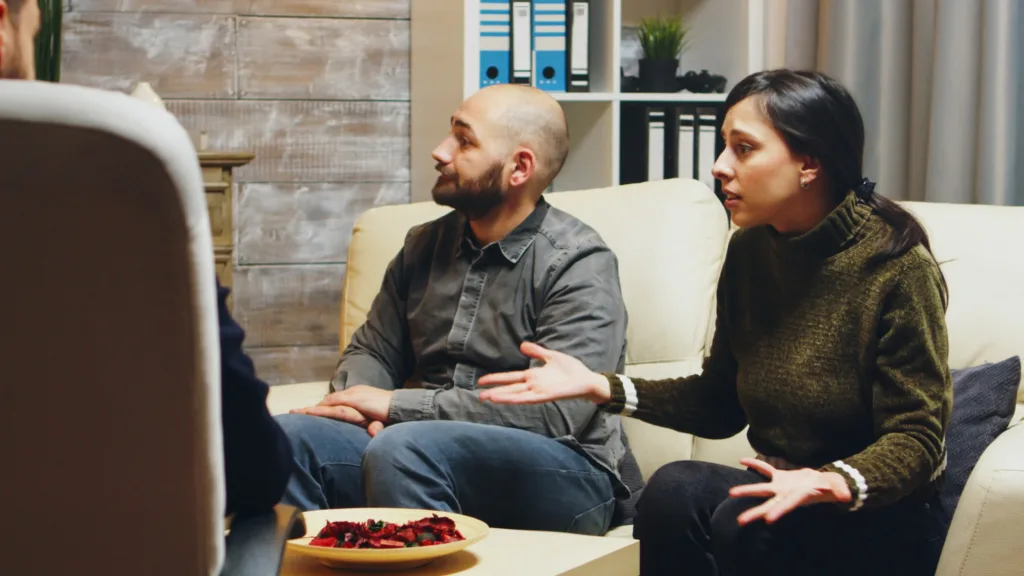
They promised they were done. You wanted so badly to believe them.
For a while, you did. Your child came home from treatment stronger, clearer, even a little lighter. Maybe they went back to school, got a part-time job, or just finally laughed in a way that didn’t feel forced. There were routines, check-ins, progress.
And now, it’s slipping.
Missed calls. Slurred words. Old patterns. New lies. And the sinking realization that this might not be a phase—it might be a relapse.
You want to scream. You want to cry. You want to ask how this could happen after everything they went through. But most of all, you want to help them without pushing them away.
That’s where a partial hospitalization program (PHP) comes in—not as punishment, but as prevention. Not to start over, but to steady them before they fall farther.
At Greater Boston Addiction Centers, we help families intervene early—with care that works.
What Is a Partial Hospitalization Program?
A partial hospitalization program is a structured, clinically intensive treatment track designed for people who are slipping in their recovery—but don’t need inpatient hospitalization.
At GBAC, PHP involves:
- Five days a week of full-day clinical care
- Individual and group therapy
- Psychiatric evaluation and medication management
- Mental health treatment (anxiety, depression, trauma)
- Skills-building and relapse prevention
- Evening return to home or sober housing
It’s a powerful middle-ground for young adults who aren’t in immediate danger—but who are clearly in trouble.
Signs Your Child Might Be Relapsing (Even If They Say They’re Not)
You’re not imagining things.
Parents are often the first to notice when something’s off—but the last to be told the truth. That’s not because your child doesn’t love you. It’s because relapse carries shame. Denial is their armor.
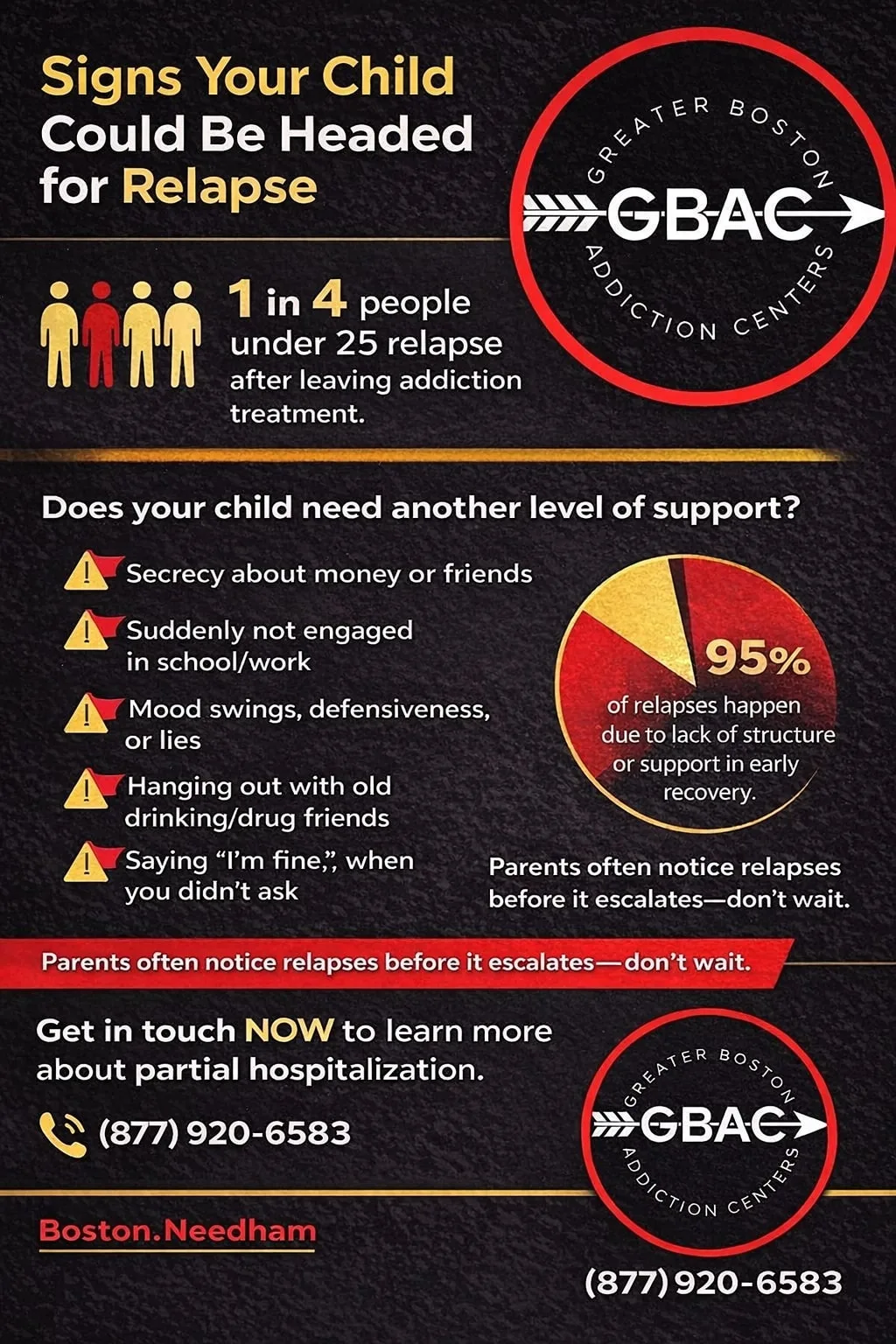
Watch for:
- Changes in sleep, mood, or hygiene
- Reconnection with old friends from “that time”
- Sudden silence or defensiveness
- Apathy toward responsibilities they once took pride in
- Increased secrecy—especially about money or whereabouts
- Saying “I’ve got it under control” when you didn’t ask
Relapse often looks quiet before it gets loud.
And if your child is between 18 and 25, it’s especially easy to dismiss those changes as stress or “just a phase.” But when they’ve been through treatment before, your instincts matter. Listen to them.
Why PHP Works for Young Adults Who’ve Relapsed
Young adults don’t always want to go “back” to treatment.
For many, residential treatment felt like a massive life interruption—and the idea of returning feels like failure. PHP gives them a different path.
Here’s why it works:
- It’s immersive: They spend the day in therapy, structure, and community.
- It’s dignified: They return home or to sober housing at night.
- It’s focused: It targets relapse recovery, not just first-time sobriety.
- It’s adaptive: Treatment adjusts to meet both mental health and substance use needs.
It’s not about hitting rock bottom. It’s about getting grounded again.
If you’re looking for a partial hospitalization program in Boston or Needham, our PHP is designed to meet young adults exactly where they are—not with judgment, but with a plan.
You’re Not “Starting Over.” You’re Responding Early
One of the most common fears parents have is, “Do we really have to go through all of this again?”
But PHP isn’t about redoing everything from scratch. It’s about:
- Re-engaging skills they already learned
- Rebuilding routines that held them steady
- Reconnecting with a treatment team that knows how relapse works
- Reframing recovery not as a one-time fix—but as an evolving path
Think of it like physical therapy after a setback. You’re not learning how to walk—you’re learning how to walk without limping.
Why December Is a Critical Window
Here’s why “after the holidays” is often too late:
- Academic calendars restart in January—without support, it’s overwhelming
- New Year’s pressure adds shame, not motivation
- Family stress, drinking culture, and social isolation spike in December
- Emotional exhaustion from “holding it together” peaks mid-winter
- The earlier relapse is addressed, the easier it is to reverse
Waiting until January sounds reasonable—but by then, the spiral may be deeper.
PHP now means they enter the new year with support already in motion—not regrets.
This Is Not a Moral Failing. It’s a Treatment Gap.
If your child relapsed, it’s not because they weren’t trying.
Many relapses happen not out of defiance—but because:
- Mental health symptoms returned
- Old trauma resurfaced
- Stress became unmanageable
- They stopped doing the daily recovery “work”
- They didn’t have enough aftercare support
None of that means they don’t want to get better.
It just means they need help—now—from a program that’s designed for real life, not rock bottom.
You Don’t Have to Figure This Out Alone
Parents often become quiet experts in their child’s behavior. But when things escalate, it’s easy to freeze, rationalize, or panic.
That’s where we come in.
We’ll help you:
- Talk to your child in a way that invites—not pushes—action
- Assess whether PHP is the right level of care
- Navigate insurance and logistics
- Get your child enrolled and engaged, even if they’re resistant
You don’t need all the answers. You just need to make the next call.
Real Parent Stories, Real Recovery
“We thought he was doing fine. Until he wasn’t. GBAC helped us act before it turned into a full-blown crisis. PHP gave him his footing back.”
— Parent of 21-year-old client
“PHP wasn’t a punishment. It felt like a safe space. Like I wasn’t alone in trying again.”
— 20-year-old GBAC client after relapse
Recovery isn’t a straight line. But with the right support, it doesn’t have to be a freefall either.
FAQ: Partial Hospitalization Program for Relapsing Young Adults
My child is functioning. Do they really need PHP?
Yes, especially if you’re seeing warning signs. PHP is ideal for people who are high-functioning but slipping. Early intervention means less disruption—and more success.
What if my child won’t agree to treatment?
This is common. We can help you with language that encourages buy-in without ultimatums. In some cases, family sessions or professional interventions can help open the door.
Is this like being hospitalized?
No. PHP clients go home at night. It’s not inpatient. It’s intensive outpatient care that still allows for life responsibilities (with adjustments as needed).
How long does the program last?
Most PHP programs run for 2–4 weeks, depending on clinical needs and progress. After that, many clients step down to a less intensive level of care.
Will insurance cover this?
Yes, in many cases. PHP is a clinically recognized and covered level of care. Our team can quickly verify your benefits and explain what to expect.
This Isn’t Hopeless. It’s a Turning Point.
Your child isn’t broken. And you didn’t do anything wrong.
This isn’t the end of the story. It’s a hard chapter—but one that can lead to healing, growth, and strength.
A partial hospitalization program isn’t about erasing the relapse. It’s about responding to it—with clarity, structure, and the belief that recovery is still possible.
Because it is.
Ready to Talk?
Call (877)920-6583 to learn more about our partial hospitalization program services in Boston, MA. We’re here to help you help your child—before this becomes something harder to undo.
