

Sometimes the hardest part isn’t quitting drinking.
It’s admitting that something about your relationship with alcohol doesn’t feel right anymore.
You might still go to work. You might still handle responsibilities. Maybe you’re the one people rely on. But somewhere in the quiet moments—late at night, early in the morning, or after another promise to “cut back tomorrow”—a small voice starts asking questions.
Is this still working for me?
Many people who explore support are not ready to promise they’ll never drink again. They’re simply ready to feel different. They want clarity, balance, and relief from the cycle of thinking about alcohol more than they want to.
That’s where structured support can help. Many people begin exploring change through programs like alcohol addiction treatment, not because they’ve committed to forever—but because they’re ready to understand what’s happening and what life might look like with better support.
Change Can Start Without a Lifetime Promise
One of the biggest fears people have when considering help is the idea of permanence.
The phrase “quit forever” can feel overwhelming. It makes change sound like a contract instead of a process.
But the truth is, most people don’t begin recovery with absolute certainty.
They begin with curiosity.
They start by asking:
- Why does drinking feel harder to control lately?
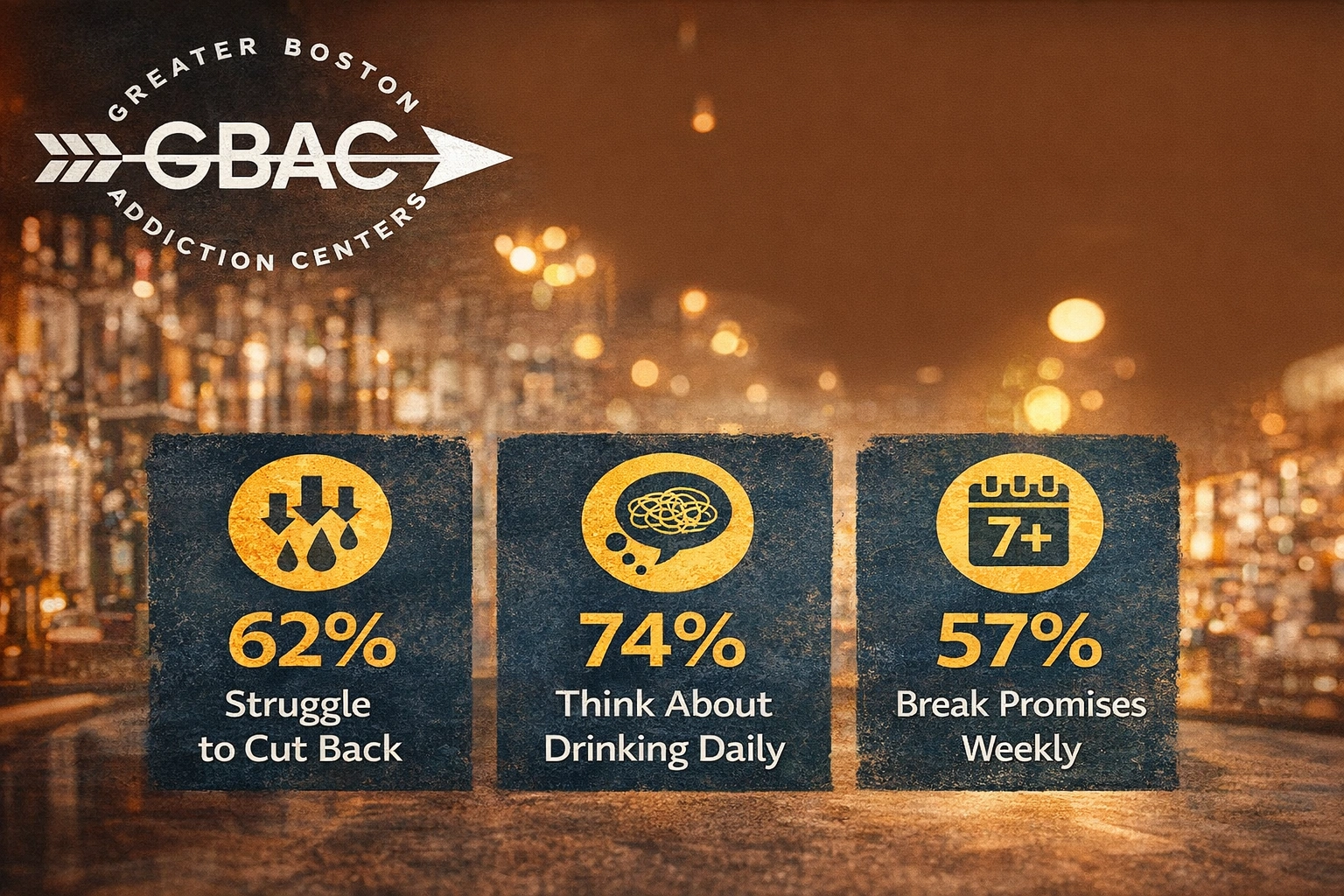
- Why do I keep thinking about alcohol even when I don’t want to?
- Why does cutting back feel harder than it used to?
You don’t need a lifelong commitment to start answering those questions.
The first step is simply creating space to explore them honestly.
Honest Conversations Replace Silent Struggle
Many people spend years quietly negotiating with themselves about alcohol.
Tonight will be different.
Just one or two.
I’ll skip drinking tomorrow.
When someone finally sits down with a professional who understands substance use, the experience can be surprisingly relieving.
Instead of judgment, the focus is understanding.
People talk about things like:
- When drinking first started to feel different
- Stress or life changes that may be influencing alcohol use
- Attempts they’ve already made to cut back
- What they hope life could feel like instead
These conversations often reveal something important: drinking is rarely the entire story.
Support That Fits Real Life
Another major misconception about treatment is that it always requires disappearing from your life.
In reality, support often comes in multiple levels depending on what someone needs.
Some people participate in structured daytime care that offers several hours of support during the week while allowing them to return home at night.
Others benefit from multi-day weekly treatment where they can continue working, parenting, or maintaining responsibilities while receiving consistent therapeutic support.
And for those who feel stuck in the same environment that fuels their drinking, temporary live-in care can provide the reset they need.
People across communities like Dedham, Massachusetts often explore these options when they realize that trying to manage alcohol alone has become exhausting.
Support doesn’t remove independence—it adds guidance and structure.
Understanding What Alcohol Has Been Doing For You
Alcohol often begins as something helpful.
It takes the edge off stress.
It quiets anxiety.
It makes social situations easier.
Over time, though, the brain begins to rely on it.
What once felt like a choice starts to feel like a reflex.
In supportive care, people begin to unpack the deeper layers beneath drinking. Some of the most common include:
- Chronic stress or burnout
- Anxiety or social discomfort
- Unprocessed trauma
- Depression or emotional numbness
- Sleep disruption and exhaustion
When those underlying challenges are addressed, something important happens.
The urge to drink begins to lose some of its power.
It’s not about forcing someone to stop—it’s about helping them build a life that no longer requires alcohol to cope.
Learning Skills That Actually Work in Real Life
Trying to change drinking habits through willpower alone rarely works for long.
Life is unpredictable. Stress happens. Social pressure exists. Old habits resurface.
That’s why structured support focuses heavily on practical tools people can use outside of therapy.
People learn strategies such as:
- Identifying emotional triggers before they lead to drinking
- Managing stress without relying on alcohol
- Navigating social environments where alcohol is present
- Rebuilding daily routines that support mental health
- Understanding how sleep, nutrition, and exercise affect cravings
These tools aren’t theoretical. They’re tested in real life.
Someone might practice saying no to drinks in social settings or plan healthier ways to decompress after work.
Small shifts like these begin to rebuild confidence.
Rediscovering What Life Feels Like Without Constant Negotiation
Many people exploring sobriety or reduced drinking describe the same experience.
They didn’t realize how much mental energy alcohol was taking until they stepped back from it.
The constant calculations:
- Should I drink tonight?
- How much is too much?
- Did anyone notice?
- Can I function tomorrow?
That mental noise can be exhausting.
When people begin receiving support, many notice something surprising: clarity.
Sleep improves.
Energy returns.
Emotions become easier to understand instead of being numbed.
People from nearby communities like Newton, Massachusetts often share that the biggest shift wasn’t just drinking less—it was feeling more present in their own lives again.
A Process of Exploration, Not Pressure
One of the most supportive aspects of modern addiction care is that it focuses on collaboration.
You’re not told what your life must look like forever.
Instead, the process encourages reflection.
People explore questions like:
- What role does alcohol currently play in my life?
- What would I gain by changing that relationship?
- What fears do I have about stopping or cutting back?
- What kind of support would actually help me right now?
This approach respects where someone is emotionally.
Some arrive certain they want sobriety. Others simply want to experiment with change and see what happens.
Both starting points are valid.
Why Early Exploration Can Be So Powerful
Waiting until alcohol causes serious damage isn’t necessary.
Many people who seek help today are high-functioning professionals, parents, students, or caregivers who simply recognize that alcohol has started taking more than it gives.
Exploring support earlier can prevent problems from escalating.
It also helps people develop tools before drinking becomes deeply entrenched.
Think of it less like hitting rock bottom and more like adjusting course before the road becomes harder to travel.
That shift—from crisis response to proactive care—is changing how many people approach recovery.
The Emotional Side of Letting Go of Alcohol
Even when someone suspects alcohol isn’t helping them anymore, letting go of it can feel complicated.
Drinking may be connected to:
- Friendships
- Celebrations
- Identity
- Relaxation rituals
- Cultural expectations
That’s why support doesn’t focus only on stopping drinking.
It focuses on rebuilding a lifestyle where those emotional needs are still met.
People learn new ways to relax, connect socially, celebrate achievements, and manage stress.
Recovery isn’t about removing joy.
It’s about creating a life where joy isn’t dependent on alcohol.
The Quiet Realization Many People Have
There’s a moment many people describe after beginning support.
It doesn’t happen on day one.
But somewhere along the way, they notice something.
Life feels lighter.
The constant inner negotiation fades. Mornings feel clearer. Relationships feel more genuine.
And the idea of living without alcohol—once terrifying—starts to feel possible.
Not because someone forced them into it.
But because they discovered something better.
FAQs About Exploring Support for Drinking
Do I have to consider myself an alcoholic to seek help?
No. Many people explore support simply because they’re questioning their relationship with alcohol. Labels are not required to start learning about healthier options.
What if I’m not ready to quit drinking forever?
That’s very common. Many people begin by focusing on understanding their habits, building coping skills, and exploring how life feels with less alcohol.
Will treatment disrupt my work or family responsibilities?
Not necessarily. Many programs offer flexible options that allow people to maintain daily responsibilities while receiving structured support.
Can therapy really change my relationship with alcohol?
Yes. Therapy helps people understand the emotional patterns behind drinking and develop practical tools for handling stress, triggers, and social situations.
What if I’ve tried cutting back before and failed?
Many people struggle to change habits alone. Structured support provides guidance, accountability, and strategies that make change more sustainable.
Is it too early for me to get help?
If alcohol is something you think about often or feel conflicted about, it’s never too early to explore support. Early reflection can prevent bigger struggles later.
You don’t have to decide the rest of your life today.
You just have to decide whether you’re willing to explore what life might feel like with support.
Call (877)920-6583 to learn more about our Alcohol addiction treatment in Boston, Massachusetts.
