

I didn’t make some dramatic exit.
I just stopped showing up.
No big speech. No confrontation. Just a slow fade from IOP, unanswered calls, unread emails. And the longer I stayed away, the harder it felt to come back.
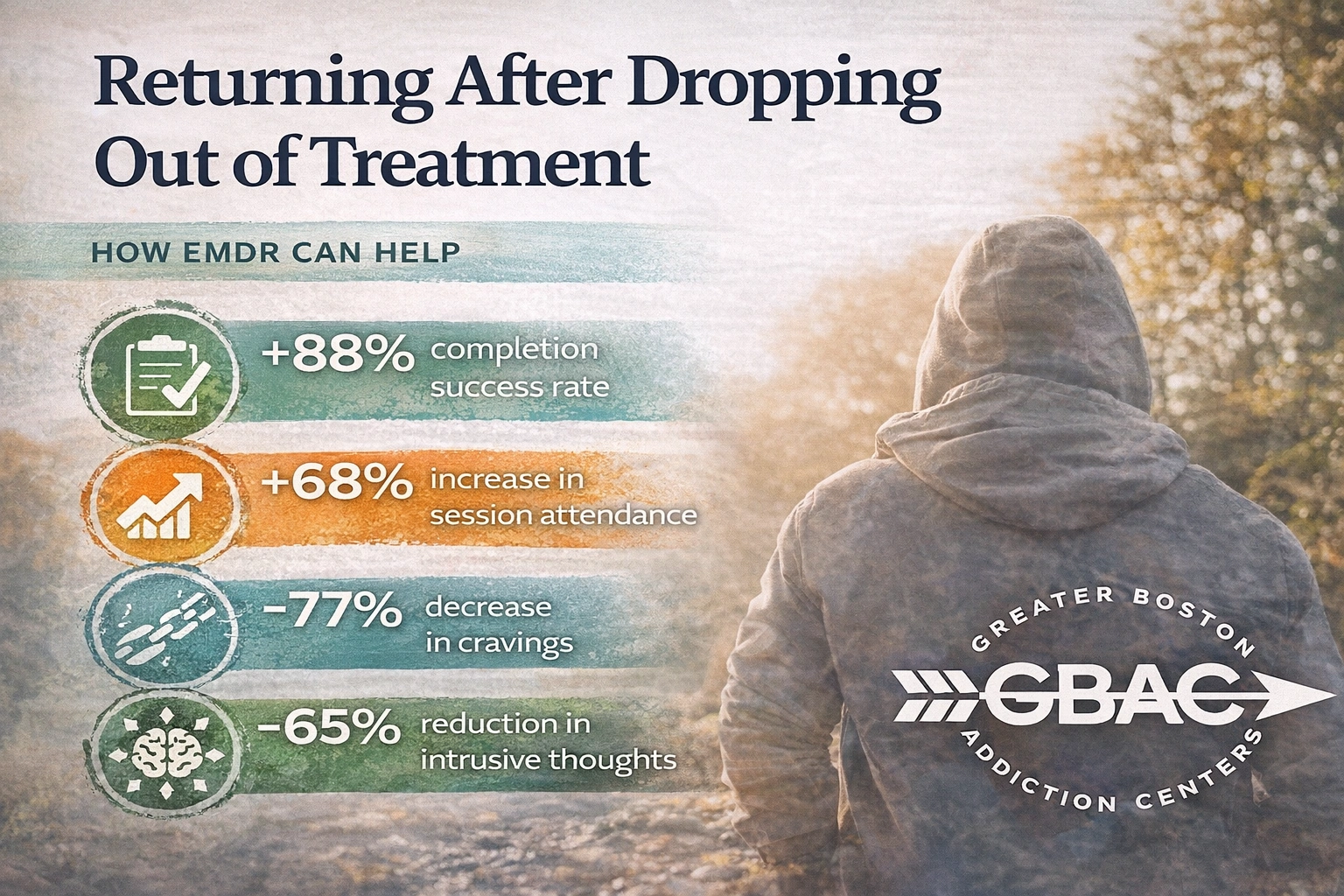
If you ghosted treatment and now feel too ashamed to return, I want to tell you what I wish someone told me: you are not back at square one. For me, starting emdr was the reason I could walk back in without feeling like I was starting over.
This is how it happened.
Step One: Be Honest About Why You Left
When I dropped out, I blamed logistics.
Busy schedule. Work stress. “Too much going on.”
The truth? Therapy was getting close to something I’d spent years outrunning.
We had started touching trauma. Not just surface-level stuff. The kind that lives in your nervous system.
Every session left me raw. I didn’t know how to sit with that vulnerability, so I bailed.
If you left mid-treatment, ask yourself gently:
- Did it start getting deeper?
- Did you feel exposed?
- Did something in your past come up that you weren’t ready for?
- Did you feel like you were losing control?
Leaving often isn’t about laziness. It’s about fear.
Step Two: Understand Why EMDR Is Different
When I came back, I knew I couldn’t just repeat the same pattern.
Traditional talk therapy helped—but I could out-talk it. I could intellectualize my pain. Analyze it. Stay just detached enough.
EMDR was different.
Instead of explaining my trauma over and over, EMDR focused on how my brain stored it. Using bilateral stimulation—eye movements or tapping—it helped my brain reprocess memories that were still stuck in fight-or-flight mode.
It didn’t erase the past.
It reduced its charge.
And that charge was what had been pulling me toward old coping patterns.
Step Three: Realize You’re Not Starting From Zero
Walking back into treatment felt awkward.
I expected judgment.
Instead, I got, “We’re glad you’re here.”
That mattered more than I expected.
You don’t lose the progress you made just because you paused. The insights, the coping skills, the sober days—they don’t vanish.
For people returning from areas like Waltham, Massachusetts, that reassurance can make the difference between staying away and stepping back in.
And for those coming from Wellesley, Massachusetts, where it can feel like everyone else has it together, returning can feel especially vulnerable.
But vulnerability isn’t regression.
It’s growth.
Step Four: Let EMDR Go Where Words Couldn’t
There were memories I could talk about calmly while my body told a different story.
Tight chest. Shallow breathing. Sudden irritability.
EMDR bypassed my ability to perform healing.
During sessions, I wasn’t forced to narrate every detail. I focused on specific memories while bilateral stimulation allowed my brain to reprocess them.
The result wasn’t dramatic breakdowns.
It was subtle shifts.
Memories that used to spike panic became… tolerable. Situations that triggered shame softened.
It felt like turning down the volume on a song that had been blaring for years.
Step Five: Stay When It Gets Uncomfortable
The first time I left treatment, I ran from discomfort.
The second time, I expected it.
That changed everything.
EMDR sessions weren’t always easy. Some left me tired. Some stirred emotions I’d buried.
But this time, I understood the purpose.
Discomfort wasn’t proof I was failing. It was proof I was processing.
When you understand that healing can feel messy, you’re less likely to mistake it for danger.
Step Six: Notice What Changes In Real Life
Here’s how I knew EMDR was working:
- I didn’t spiral after small conflicts.
- I didn’t feel hijacked by old memories.
- I didn’t automatically numb when certain emotions surfaced.
- I had more pause between trigger and reaction.
That pause is everything.
Addiction thrives in instant reactions. EMDR helped lengthen the space between feeling and action.
That space kept me from slipping back into old patterns.
When EMDR Is Paired With Higher Levels Of Care
For some people, trauma and substance use are deeply intertwined. If stability is fragile or symptoms are intense, EMDR can be integrated into structured programming, including help in Residential settings.
That doesn’t mean you failed outpatient care.
It means your nervous system needs containment while deeper processing happens.
There are levels to healing. It’s not pass or fail.
Step Seven: Redefine What “Picking Up Where I Left Off” Means
Coming back didn’t erase my dropout.
It reframed it.
I didn’t return to the exact same place emotionally. I returned with more awareness about what scared me.
EMDR addressed the very thing that made me ghost the first time.
That’s why I didn’t go backward.
I went deeper.
Healing isn’t linear. It’s layered.
The Awkwardness You’re Feeling Is Normal
If you’re hesitating to reach out because it feels embarrassing, that’s normal.
You might be thinking:
- They probably think I’m unreliable.
- I wasted their time.
- I should’ve stuck it out.
Treatment providers see this all the time. People pause. People relapse. People get scared.
The door isn’t locked just because you stepped away.
You don’t need a perfect explanation.
You can just say, “I’m ready to come back.”
Frequently Asked Questions
Does Dropping Out Of Treatment Mean I Failed?
No. Treatment dropout is common, especially when therapy begins addressing trauma. Leaving often signals overwhelm—not unwillingness.
Is EMDR Only For Trauma?
EMDR is most commonly used for trauma, but it can also help with anxiety, triggers, cravings, and negative core beliefs tied to addiction.
What If I’m Afraid EMDR Will Be Too Intense?
EMDR is paced carefully. Therapists prioritize stabilization before deep processing. You are not forced to relive trauma without support.
Can I Restart Without Explaining Everything?
Yes. You don’t need a dramatic re-entry. A simple outreach expressing interest in resuming care is enough to begin.
How Long Does EMDR Take To Work?
Some individuals notice shifts in a few sessions. Others require longer engagement depending on the complexity of their trauma history.
What If I Need More Than Outpatient Therapy?
If symptoms are severe, structured programs that incorporate EMDR may be recommended to provide additional support and safety.
If you ghosted treatment and feel stuck between shame and wanting help, hear this clearly:
You are not back at square one.
EMDR helped me process the exact pain that made me run the first time. It didn’t erase my progress. It built on it.
You don’t have to explain yourself perfectly.
You just have to reach out.
Call (877)920-6583 to learn more about our EMDR in Boston, Massachusetts.
