

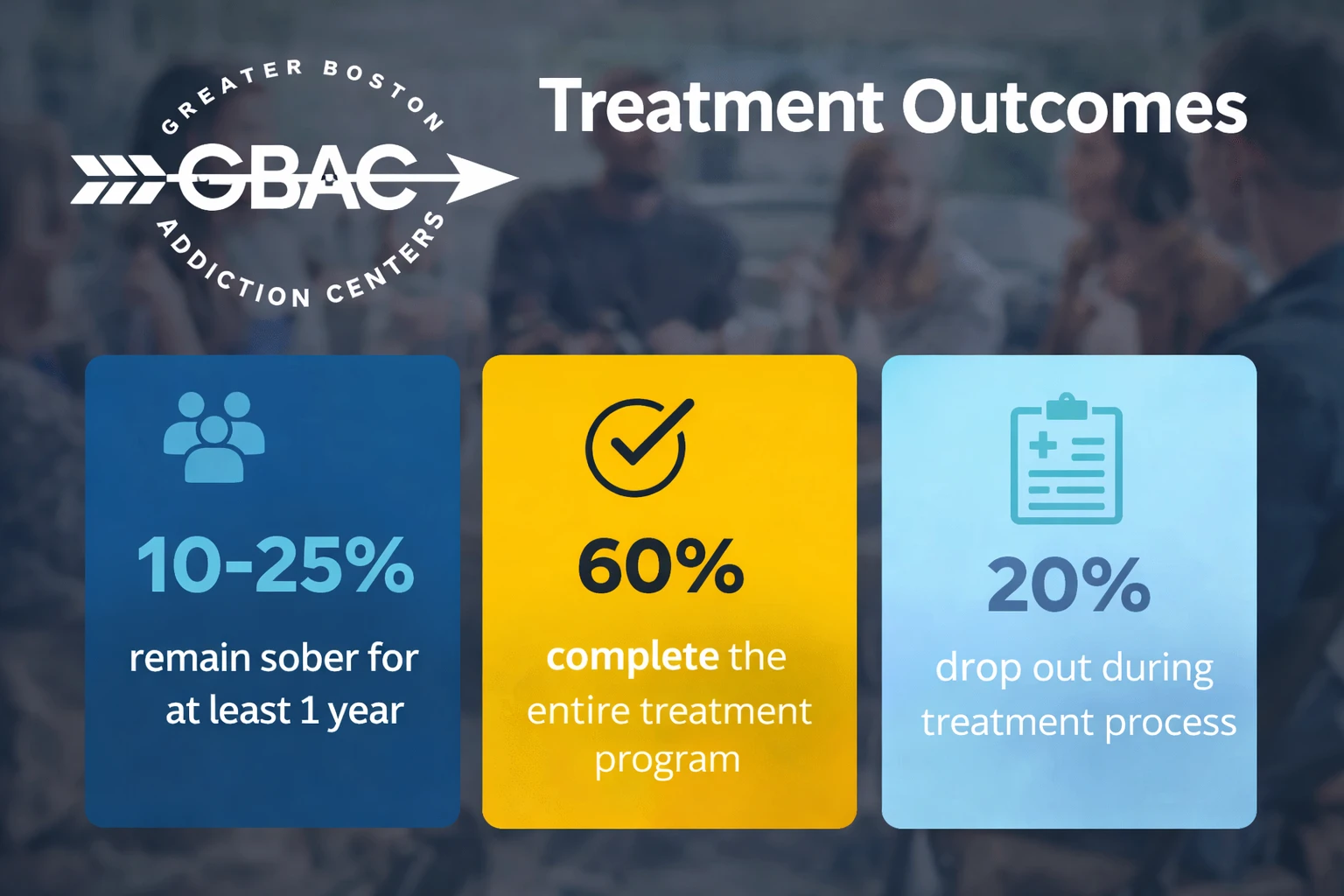
Not everyone completes treatment in one continuous stretch—and that’s okay. Gaps happen. People pause, ghost, or disengage from care for reasons that are often complicated and deeply human. Sometimes it’s a crisis. Sometimes it’s exhaustion. Sometimes it’s just silence that got too long to break.
If you’ve left an intensive outpatient program and aren’t sure how to return—or if you’re even allowed to—this blog is for you.
As clinicians, we don’t just “accept” the reality of treatment dropout. We plan for it. We expect it. And most importantly, we build flexible systems to support people in coming back.
Here’s how we personalize your IOP experience if you’ve had a gap in care—and why you’re always welcome to restart.
1. We Begin with Where You Are—Not Where You Left Off
When someone returns after a gap, we don’t simply pick up the old care plan and hit “resume.” That’s not how healing works.
We begin by checking in on your current emotional, physical, and mental state. We ask:
- What’s going on in your life right now?
- What made you decide to reconnect?
- What feels supportive to you today—not just in theory?
This helps us craft a care plan that responds to the version of you that walked in today—not the one who stepped away weeks or months ago.
For someone living in Newton, Massachusetts, returning to IOP might involve reshaping your schedule around childcare, work, or new health concerns. We take that into account.
2. We Approach Your Return Without Judgment
One of the most common fears we hear is: “Will they be mad that I left?”
The answer is no.
Your care team isn’t keeping score. You won’t be met with disappointment or lectures. Our focus is on support, not shame.
Whether you left quietly, abruptly, or mid-session, our job is to hold the door open—not ask you to explain why you walked out. We might ask what you need this time around—but we won’t press for explanations you’re not ready to give.
3. We Make Room for the Hard Parts
A lot can happen during time away from treatment. Some people return after a relapse. Others come back feeling emotionally frozen, overwhelmed, or unsure if they even want help.
We make room for all of it.
If you’re scared, we acknowledge the fear. If you’re feeling like maybe this won’t work, we normalize that too. Recovery isn’t a single decision—it’s a hundred small ones, made over time.
An intensive outpatient program gives you space to process those decisions, one at a time, with clinical and peer support that adapts to your state of mind.
4. We Modify Your Schedule, Groups, and Support Levels
Returning to IOP isn’t a one-size-fits-all process. We adjust the intensity and structure of care based on your readiness and bandwidth.
Some ways we personalize your return:
- Reduced group hours in the first week to help with re-entry
- Added individual sessions to rebuild trust and comfort
- Optional medication support if withdrawal or mood shifts are present
- Targeted group selection based on current emotional needs
Whether you need more structure or a gentler pace, we tailor your treatment to meet you with clarity and compassion.
5. Your Past Progress Still Counts
You don’t lose your growth just because you left.
In fact, many people return with deeper insights into their patterns, triggers, or emotional walls. What happened during your time away is information—not a disqualification.
One of our key goals is to integrate those insights into your updated care plan. Whether you spent your time away coping, spiraling, or simply surviving—what you learned about yourself matters. And we’re here to help you build on it.
6. We Offer Options for Stepping Up (or Down) as Needed
Sometimes, clients return to IOP and realize they need more containment than outpatient care can provide. Other times, a return to IOP is a gentle way to re-engage without stepping into residential care.
Either way, we support that decision-making process.
If needed, we can explore transitions to more structured environments like support in Residential, where healing happens in a fully immersive setting.
You’re not locked into any one level of care. We walk with you—whether the next step is deeper structure or gentle stability.
For someone in Waltham, Massachusetts, that might mean joining a hybrid treatment plan that blends telehealth with in-person group work to reduce commute stress while maintaining connection.
7. We Respect the Courage it Takes to Return
Coming back after a gap in care can be harder than starting treatment the first time. You know the vulnerability. You know the weight of saying “I need help” all over again.
That’s why we treat your return as an act of courage—not a comeback that needs to be proven.
There’s no script you have to follow. No emotional explanation you have to perfect. We recognize the effort it takes just to walk through the door again—and we honor that deeply.
FAQ: Returning to IOP After a Break
Will I have to explain why I left?
Only if you want to. Clinically, it helps to understand what caused the pause—but we don’t push for disclosures. You are always in control of what you share.
Can I return even if I’ve relapsed?
Yes. Many people return to IOP after a relapse or close call. We don’t judge relapse; we treat it as a sign that more support is needed, not that you’ve failed.
How long do I have to wait before coming back?
There is no mandatory wait. Whether it’s been 10 days or 10 months, we’re here when you’re ready. You’ll have a re-assessment to ensure your current needs are met safely.
What if I don’t feel “ready” but I want to try?
That’s okay. Readiness isn’t all-or-nothing. If a part of you is curious, or even cautiously hopeful, that’s enough to start a conversation. We’ll meet you there.
Can I do a modified schedule at first?
Absolutely. We often ease people back in with adjusted hours or hybrid options, depending on capacity, emotional state, and scheduling needs.
You’re Still Welcome—Exactly as You Are
There is no “too late” in this work. No expiration date on your right to re-engage.
Your story is still unfolding. And your care doesn’t have to be linear to be meaningful. As clinicians, we don’t expect perfection—we expect real people with real lives. People who pause. People who drift. People who, sometimes, need to be reminded: the door never closed.
So whether you left silently or in crisis, whether you’re returning with hope or hesitation—you’re still welcome.
We’ll meet you with a care plan that starts exactly where you are.
Want to re-enter without the guilt?
Call (877) 920-6583 to learn more about our intensive outpatient program in Massachusetts.
