

Most people entering a treatment program want a clear answer to one question: how long does this level of care usually last?
For a partial hospitalization program (PHP), timelines vary based on individual needs, progress, and clinical recommendations. For those considering this level of care, understanding what typically influences length of stay can make the decision feel more manageable and less overwhelming.
The Typical Length of a Day Treatment Program
For most individuals, full day treatment lasts several weeks, with many programs falling into a 2–6 week range. Some people may finish sooner, while others benefit from staying longer for added structure and support.
This phase of treatment is designed to be flexible enough to meet people where they are — not rushed, but not indefinite either.
Why Program Length Isn’t the Same for Everyone
There is no universal timeline for this level of care because treatment is shaped around real-life needs, not a fixed calendar. A few common factors that influence duration include:
- Severity of symptoms or substance use
- Co-occurring mental health conditions
- How long someone has been struggling
- Stability outside of treatment
- How well someone responds to therapy
- Clinical recommendations from the care team
Program length is adjusted as progress is made, ensuring support continues for as long as it’s clinically helpful.
Typical Day Treatment Duration: What to Expect
There is no fixed timeline for this level of care—it’s individualized based on your progress, needs, and treatment goals. That said, most clients stay for 2 to 6 weeks, with some requiring longer support based on clinical recommendations.
General Timeline Breakdown:
| Length | Who It’s Best For |
|---|---|
| 10–14 Days | Individuals transitioning from detox, needing short-term stabilization or crisis care |
| 3–4 Weeks | Clients needing structured therapy to establish relapse prevention strategies and build a foundation for recovery |
| 5–6+ Weeks | Individuals with co-occurring mental health disorders, history of trauma, or multiple relapses who need extended support |
What Happens During the First Few Weeks of Treatment
The early phase of this level of care often focuses on:
- Stabilization and routine
- Building trust with the care team
- Establishing healthy daily structure
- Identifying treatment goals
For many people, this period helps reduce overwhelm and brings clarity about what support they truly need moving forward.
How Treatment Progress Impacts Timeline
Progress isn’t measured by perfection — it’s measured by stability, insight, and readiness for the next step. As individuals:
- Gain coping skills
- Feel more emotionally regulated
- Build consistency in daily life
The treatment team may begin discussing transitions to lower levels of care, such as step-down programs or outpatient support.
Can Care Be Extended If Needed?
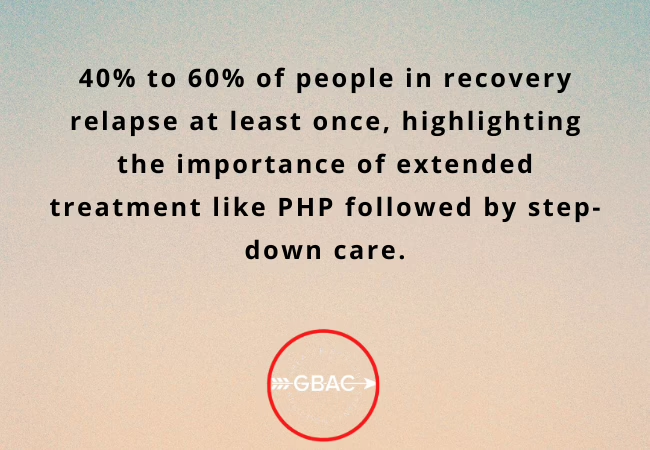
Yes. Care can be extended when clinically appropriate. If someone continues to benefit from structured daily support, remaining in treatment longer may be recommended to reduce the risk of relapse or emotional setbacks.
Length of stay decisions are made collaboratively, based on safety, progress, and long-term stability.
How a Structured Day Program Fits Into a Longer Treatment Journey
This care program is often one phase of a broader recovery or mental health care plan. Many people move from this level of care into:
- Intensive outpatient care
- Standard outpatient therapy
- Continued mental health or recovery support
This step-down approach allows treatment intensity to decrease gradually while maintaining continuity of care.
How to Know When You’re Ready to Move On
Signs that someone may be ready to step down include:
- Improved emotional regulation
- Stronger coping skills
- Greater confidence managing daily stress
- Consistent engagement in therapy
- A solid aftercare plan in place
Ultimately, the timing is guided by both personal readiness and professional clinical guidance.
Taking the Next Step With Confidence
If you’re considering full day outpatient or already enrolled and wondering what comes next, understanding the typical timeline can help reduce uncertainty. Treatment isn’t about racing the clock — it’s about building stability that lasts.
A care team can help determine what length of support makes the most sense based on individual goals and progress. Call us today to learn more about this treatment option and see if it is for you.
