
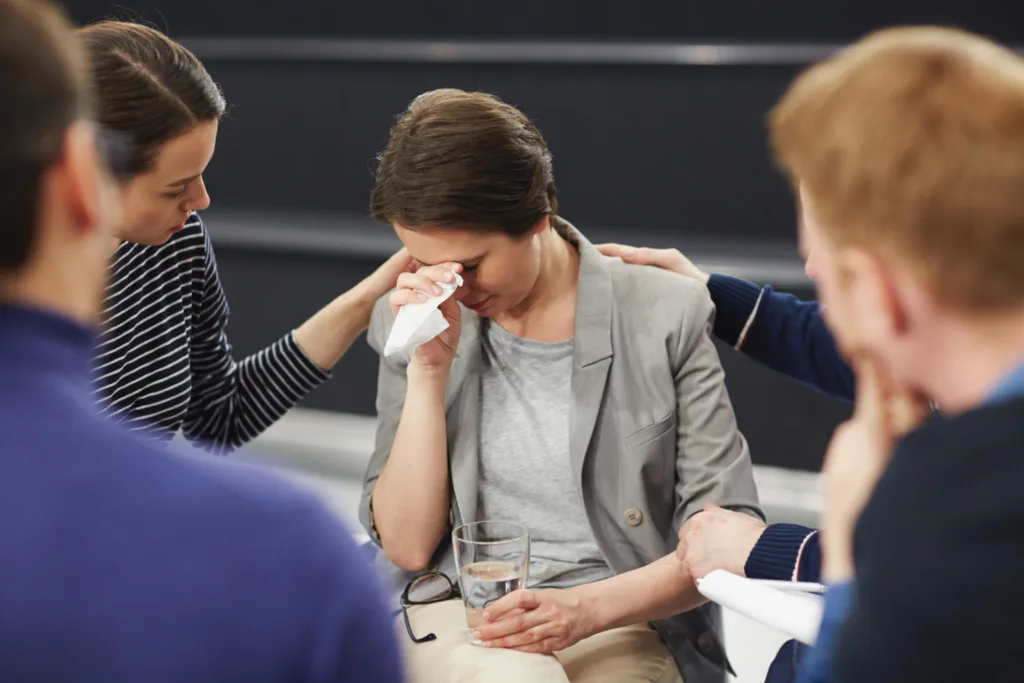
Maybe you haven’t blacked out. Maybe you haven’t lost your job, wrecked your car, or burned your life down. But something’s off. The drinks feel heavier. The escape feels more necessary. You wonder if you’re overthinking it—or if this is the beginning of something deeper.
You’re not alone in that wondering.
At Greater Boston Addiction Centers, we work with people every day who are sober curious, questioning their habits, or quietly asking: Am I okay?
You don’t have to wait until everything gets worse to explore help. A partial hospitalization program (PHP) can support you before your world starts falling apart.
This isn’t about crisis—it’s about care.
1. Take a Break From “Holding It Together”
Maybe your life still looks fine on paper. You’re making deadlines, keeping plans, showing up. But behind the scenes? It’s all feeling harder to manage.
That’s often when people from places like West Roxbury, Massachusetts reach out—not because they’ve hit bottom, but because they’re tired of pretending they’re not sinking.
A partial hospitalization program gives you a safe, structured pause. It’s not inpatient—there’s no overnight stay—but it is immersive. Five days a week, you step into a supportive space where your only job is to focus on your healing.
You’re not running, managing, or faking. You’re just getting real support for what’s quietly weighing you down.
2. Understand What’s Actually Going On
You don’t need a label to start learning about yourself.
In PHP, you’ll work with experienced clinicians to unpack:
- Why you feel the need to numb
- What situations or emotions trigger the urge to drink or use
- How past experiences may still be shaping current behaviors
It’s not about judgment. It’s about clarity.
So many people enter the program saying, “I don’t even know if I have a problem—I just know I don’t feel right.” That’s a valid entry point. One we honor.
You don’t need to prove your pain to deserve support.
3. Build Skills You Can Actually Use in Real Life
One of the most powerful parts of PHP? You don’t just talk—you practice.
You’ll learn real tools for navigating:
- Cravings or urges
- Anxiety or low mood
- Conflict or emotional avoidance
- Social pressure
- Shame spirals
These aren’t abstract lessons. You’re not reading a self-help book. You’re practicing skills in real time with professional support and peer validation.
And because you go home each night, you get to try them out in real life immediately—and come back the next day to reflect and adjust.
That cycle of real-world use + clinical feedback? That’s where change sticks.
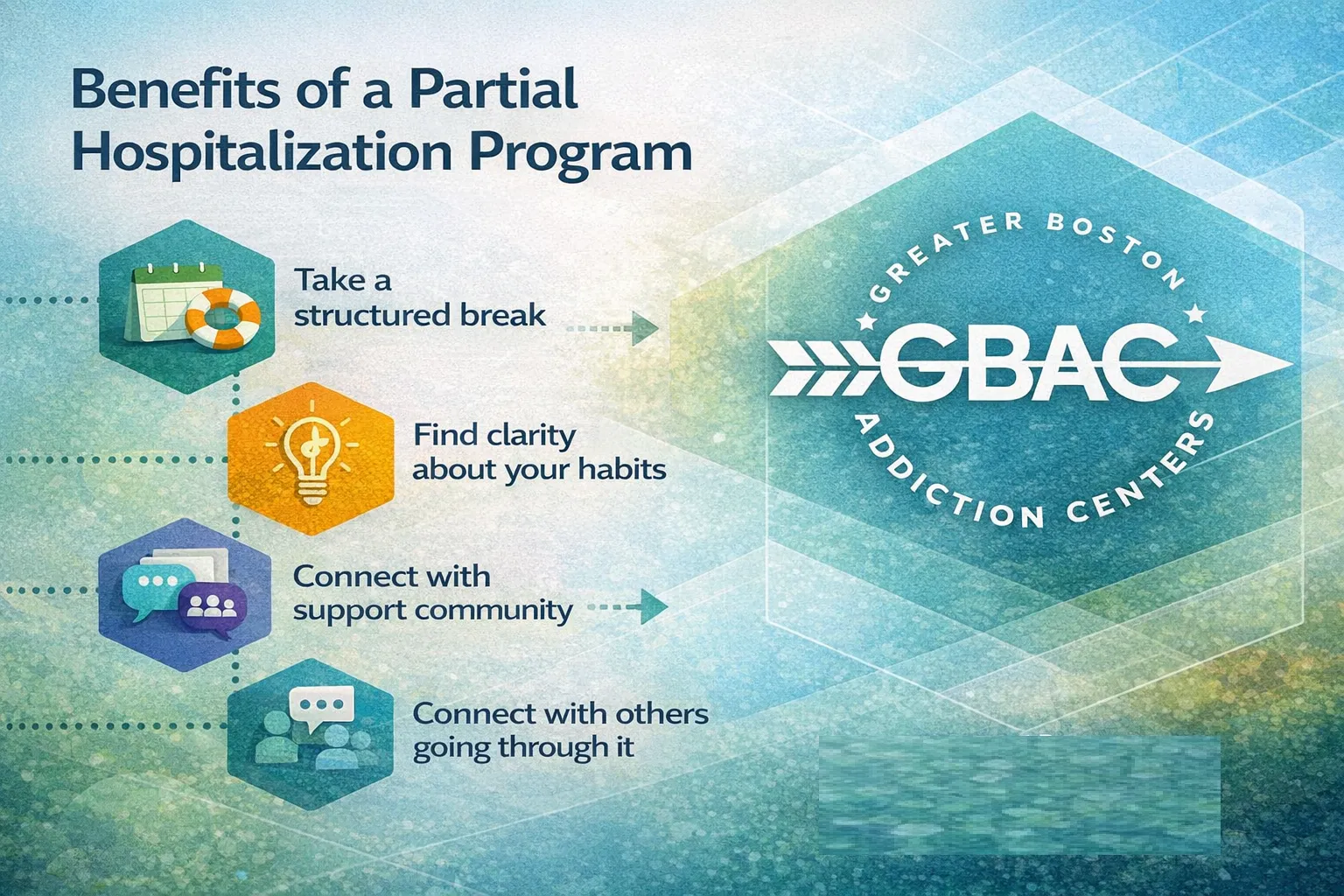
4. Shift From “Am I an Addict?” to “Is This Working for Me?”
We hear it all the time:
“I don’t feel like an addict… but I don’t feel free, either.”
That’s why PHP is perfect for sober curious folks who are searching—not for a label, but for a better way of living.
You don’t need to decide today whether you’re committing to lifelong sobriety. What you can do is ask:
- What do I want my life to feel like?
- Are my current habits helping or hurting that?
- What am I afraid recovery might take from me—and what could it actually give?
A partial hospitalization program helps you hold that tension gently. We don’t rush you. We walk with you as you sort through what feels honest, sustainable, and healing.
5. Connect With Others Who Don’t Fit the Stereotypes
There’s nothing more powerful than hearing someone say, “I’ve felt that too.”
In PHP, you’re not alone. You’re surrounded by others who:
- Are smart, capable, and still unsure if they belong in treatment
- Want to stop the slide before it becomes a crash
- Are exploring what health could look like without substances
And for many, that community becomes a turning point—not because anyone pressures you to be “sober,” but because people show you what’s possible when you are.
It’s healing, not preaching. Real, not rehearsed.
6. Leave With a Plan, Not a Cliff
PHP isn’t forever. But it gives you something lasting: momentum.
Before you leave, you’ll have a plan tailored to your needs:
- Ongoing outpatient support
- Individual therapy or trauma work
- Peer recovery groups or sober social spaces
- Continued support in residential treatment if needed
You won’t be dropped. You’ll be guided. And everything you practiced in PHP will go with you—because it was built around your life, not someone else’s idea of recovery.
Real FAQs From the Sober Curious
What if I’m still drinking or using sometimes? Can I still come?
Yes. You don’t need to be sober to start PHP. What matters is your willingness to explore your relationship with substances and your openness to change.
I don’t think I’m addicted. Can I still benefit from PHP?
Absolutely. PHP is for people who want structured support around substance use and mental health—whether or not you identify as addicted. We work with many people in the early questioning phase.
Do I have to tell my family or employer?
That’s up to you. Your participation is confidential. Our team can help you navigate conversations with loved ones or assist with medical leave paperwork if needed—but only with your consent.
What if I try PHP and it’s not for me?
You’re not trapped. If PHP isn’t the right fit, we’ll help you find what is. That might be a lower level of care, one-on-one therapy, or community support. The goal is to support your growth—not force you into a box.
How long does the program last?
Most PHP stays are 2–6 weeks, but it depends on your goals and progress. We reassess regularly and work with you to build a path forward that matches your needs.
You Don’t Need a Wake-Up Call to Wake Up
If you’re here reading this, something in you is stirring. That’s not weakness. That’s wisdom.
You’re already paying attention. Already curious about what’s underneath the habits, the autopilot, the “I’m fine” script.
That’s enough.
You don’t need to hit a dramatic bottom. You don’t need a crisis or a collapse. You can choose a different path now—while things are still manageable, while you still have choices, while your voice is still whispering instead of screaming.
One client from Dorchester, Massachusetts put it like this:
“I didn’t think I was bad enough for treatment. I just didn’t want to keep living halfway. PHP helped me find my whole life again.”
That’s what’s waiting for you—not judgment, not pressure. Just support. Just options. Just a next step.
Call (877)920-6583 to learn more about our Partial Hospitalization Program in Boston, Massachusetts. We’re here when you’re ready—no crash required.
