

I remember the silence after my relapse more than anything else.
Not the drink itself. Not the moment it happened.
Just the quiet voice in my head afterward saying, You blew it. You had your chance.
If you’re reading this after a relapse, especially after weeks or months of doing well, you might know that voice too. It’s heavy. It tells you the progress didn’t count. It convinces you that whatever worked before won’t work again.
When I first went through alcohol addiction treatment, I thought finishing the program meant I had crossed the hardest part. I believed sobriety was something you completed, like a class or a certification.
But recovery isn’t something you finish.
It’s something you keep building.
And sometimes the first attempt is just the beginning of learning how.
The Weight of Relapsing After Real Progress
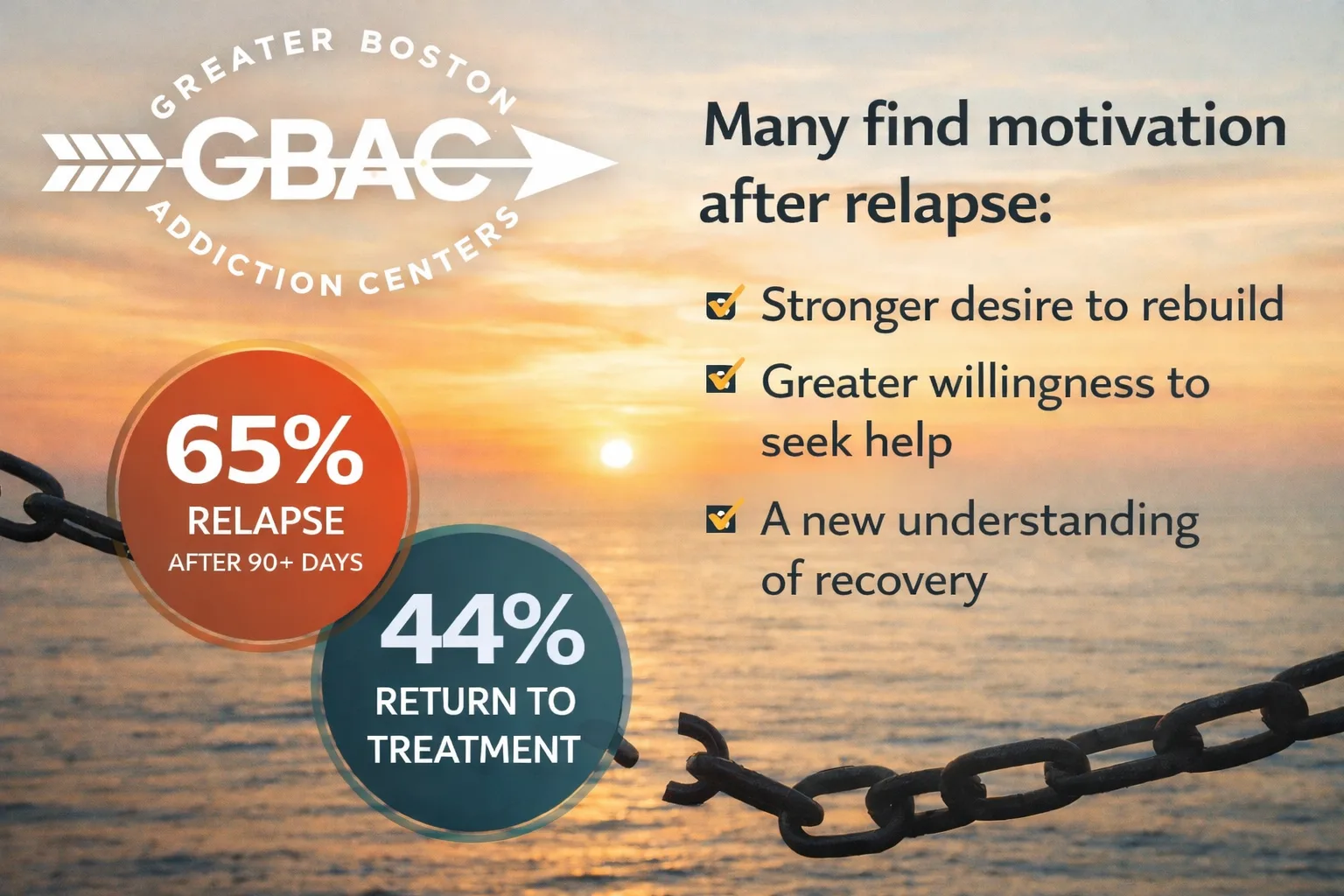
Relapsing after ninety days feels different than relapsing after a weekend of trying to stop.
Those ninety days meant something.
You built routines.
You faced cravings.
You probably experienced moments where life felt clearer and lighter than it had in years.
Then suddenly it feels like everything collapsed.
That’s why relapse after a longer stretch of sobriety often hurts more. It creates the illusion that the entire journey was erased.
But the truth is simpler and more hopeful.
Those ninety days didn’t disappear.
They proved something powerful: you can live without alcohol. Your brain has already experienced a different rhythm of life.
That experience doesn’t vanish just because you stumbled.
The First Time Often Teaches You What Recovery Actually Requires
When I first tried to get sober, I thought the job was simple: stop drinking.
White-knuckle the cravings. Stay disciplined. Stay strong.
But sobriety is rarely just about removing alcohol.
It’s about learning how to exist without the thing that used to soften every emotion.
Without alcohol, stress feels sharper. Loneliness can feel louder. Celebrations can feel unfamiliar.
The first time in recovery often reveals something important: stopping drinking is only the first layer.
Underneath it are habits, coping patterns, relationships, and emotions that still need attention.
That realization can be overwhelming at first. But it’s also where real growth begins.
Life Outside Structure Can Hit Hard
Inside a supportive environment, recovery often feels possible.
There are routines.
There are conversations with people who understand.
There’s accountability.
But when treatment ends, life returns quickly.
Work deadlines reappear. Social events come back. Stress piles up.
Suddenly, you’re navigating the same world where drinking once felt like the easiest escape.
Many people discover that they needed more structure than they originally expected. Some individuals eventually explore treatment options in Residential settings, where daily routines and deeper support help rebuild stability.
For people in places like West Roxbury, Massachusetts, stepping into a more immersive recovery environment can create the breathing room needed to reconnect with the goals they started with.
That step isn’t a sign of failure.
It’s often a sign of honesty.
Relapse Usually Begins Long Before the First Drink
Most people imagine relapse as a sudden decision.
But for many of us, it begins quietly.
Maybe we stop attending meetings regularly.
Maybe we isolate instead of talking about stress.
Maybe we convince ourselves that we’re “fine now.”
These small shifts create distance from the habits that once protected us.
Weeks can pass like that.
By the time alcohol returns, the relapse has already been unfolding for a while.
Understanding this pattern is one of the most powerful lessons relapse can teach.
Because once you recognize the early signs, you can intervene much sooner the next time.
Recovery Stories Rarely Start With One Perfect Attempt
One of the biggest myths about sobriety is that successful recovery happens on the first try.
In reality, many people who are now years sober have multiple attempts behind them.
They learned something each time:
What triggers were strongest.
What environments made sobriety harder.
What support systems they needed to stay connected.
Every attempt adds new insight.
It’s similar to learning any difficult skill. Progress often comes through repetition and adjustment, not perfection.
This perspective doesn’t make relapse painless.
But it does remind us that relapse isn’t the end of the story.
The Second Attempt Often Looks Different
Something shifts after relapse.
The illusion of “I’ve got this completely under control” usually disappears.
Instead, people become more open to support.
They stay closer to recovery communities.
They speak up earlier when stress builds.
They take their routines more seriously.
Not because they are weaker.
Because they are wiser.
That humility can become one of the strongest foundations for long-term recovery.
The Story That Changed My Perspective
A friend once told me something that completely changed how I saw my relapse.
He said his first attempt at sobriety was about proving he could stop drinking.
His second attempt was about building a life he didn’t want to escape from.
That difference mattered.
The first time, he was fighting alcohol.
The second time, he was building something better than alcohol.
Today he’s been sober for years.
And he often says the relapse he once hated was the moment that forced him to understand what recovery actually required.
The Shame That Keeps People From Returning
After relapse, many people disappear from recovery communities.
They avoid calls from friends.
They skip meetings.
They convince themselves that everyone will judge them.
But the truth is that most people in recovery understand relapse deeply.
They’ve lived through it themselves or watched someone they love face it.
The people who matter most in recovery rarely say, “You failed.”
They say, “I’m glad you came back.”
That simple sentence has helped countless people start again.
Recovery Isn’t Erased by a Single Chapter
One of the hardest beliefs to challenge after relapse is the idea that everything was undone.
But recovery isn’t measured by uninterrupted perfection.
It’s measured by resilience.
Every sober day you experienced changed your brain chemistry. Every moment of clarity showed you what life can feel like without alcohol.
Those experiences stay with you.
They become tools you can use the next time you step back into recovery.
In places like Dorchester, Massachusetts, many people who once believed their relapse ended everything later discovered it was the turning point that deepened their commitment to sobriety.
Standing Back Up Is the Real Victory
The hardest step after relapse isn’t quitting again.
It’s choosing to believe that recovery is still possible.
That belief requires courage.
It means facing the shame.
It means asking for help again.
It means admitting that the journey isn’t finished.
But standing back up after falling is often the moment when recovery becomes stronger than it was before.
Because now you know exactly what’s at stake.
FAQs
Does relapse mean treatment didn’t work?
Not necessarily. Relapse often reveals where additional support, coping skills, or structure may be needed. Many people build lasting recovery after learning from an earlier relapse.
Why do people relapse after months of sobriety?
Relapse often develops gradually through stress, isolation, or reduced connection with support systems. It rarely begins with a sudden decision.
Is it common to need more than one attempt at recovery?
Yes. Many people who achieve long-term sobriety describe multiple attempts before finding the approach that worked best for them.
Should someone return to treatment after relapse?
In some cases, returning to structured support can help rebuild stability and reinforce recovery strategies that may have weakened over time.
How can someone rebuild confidence after relapse?
Focusing on small, consistent actions—like reconnecting with support systems and rebuilding healthy routines—can help restore confidence and momentum.
Is long-term recovery still possible after relapse?
Absolutely. Many individuals who experience relapse eventually achieve long-term sobriety and stronger recovery than before.
If you’re reading this after a relapse, remember something important.
Your story didn’t end with that drink.
It paused.
And the next chapter can still be written.
Call (877)920-6583 to learn more about our Alcohol addiction treatment in Boston, Massachusetts.
