

Countries like the USA and Canada are struggling to save their people from addiction and substance abuse, regardless of age, gender, and background. However, with the proper techniques in place, we may actively prevent addiction before it begins.
Substance abuse and addiction remain pressing public health concerns, impacting millions of individuals and families across the world. Prevention plays a vital role in reducing the rates of addiction and the negative consequences it brings. By adopting proven strategies, we can prevent addiction before it begins or stop it from progressing.
So, whether you want to protect yourself, your children, or your society, these top six strategies provide realistic and effective solutions to prevent addiction. Let’s look at below!
Education is a Key – Start from Today!
The first step towards reducing substance misuse is education. Many people, particularly young adults, experiment with drugs or alcohol without fully comprehending the consequences. You can make better judgments by educating yourself and others on the dangers of substance use.
Schools, families, and community initiatives can all play an important role in delivering accurate information on the immediate and long-term consequences of drug and alcohol use. Moreover, prevention programs aim to help children and teenagers acquire life skills, make healthy choices, and resist peer pressure.
When people understand the risks, they are less likely to take the first difficult step toward substance misuse.
Key Points:
- Include drug and alcohol awareness in school curriculums from an early age.
- Offer workplace training and seminars on substance abuse prevention.
- Educate on the dangers of prescription drug misuse, not just illicit drugs.
- Increase public campaigns to raise awareness about the signs and dangers of addiction.
The Importance of Tailored Education for High-Risk Groups
Some individuals are more vulnerable to substance abuse due to genetic predispositions, environmental factors, or mental health conditions. Tailored educational programs targeting these high-risk groups are essential for prevention.
- Youth and Adolescents: Early drug use often leads to more severe addiction issues in adulthood. School-based programs, after-school activities, and mentorship can divert attention from substances.
- Individuals with Mental Health Disorders: People with conditions such as anxiety, depression, or trauma are at higher risk of developing substance use disorders (SUDs). Specific education on managing these conditions without substances is crucial.
- LGBTQ+ Community: LGBTQ+ individuals face unique challenges, including societal stigma and discrimination, which increase the risk of substance misuse. Education programs designed to address these unique challenges are vital for prevention in this group.
Get Yourself Involved in Extracurricular Activities
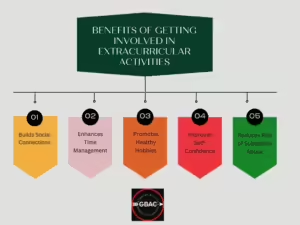
Participating in activities outside of school or job can help prevent substance usage. Structured activities, such as sports, art programs, music, or volunteering, can keep people engaged and away from the temptations of drugs and alcohol. Join a sports team, try a new activity, or engage in neighborhood clubs. When you’re passionate about something, you’re less prone to develop unhealthy behaviors.
Encourage teenagers and young adults to find a healthy outlet for their energy and emotions. Many schools and communities provide after-school programs, sports leagues, and other activities to keep students involved and supported.
Limit Access to Drugs and Alcohol
Easy access, particularly among teenagers and young people, can lead to experimentation and, ultimately, addiction. Thus, you should restrict access to drugs and alcohol. Prescription drugs should be kept locked away and any unused ones disposed of properly. Misuse of prescribed medicines is a primary cause of addiction.
Keep track of how much alcohol is consumed at home. If kids realize that alcohol is readily available, they may be enticed to try. Plus, encouraging policy changes in your community to limit underage access to drugs, alcohol, and other hazardous substances.
Key Points:
- Store alcohol and prescription drugs securely in homes.
- Implement stricter prescription drug monitoring programs to prevent misuse.
- Advocate for tighter regulations on the sale of alcohol to minors.
- Work with local law enforcement to enforce laws against illegal drug sales.
Build Strong Family and Community Support Systems
A solid, supportive family unit is one of the most effective preventions to substance usage. When people feel connected and respected in their families, they are less prone to seek comfort in drugs or alcohol.
So as parents, keep channels of communication open. Discuss the challenges, fears, and pressures that your children and loved ones are facing. Make it clear that you are willing to listen without passing judgment.
Support from family members and the community plays a critical role in preventing substance abuse. Healthy communication within families can address potential issues before they escalate into addiction. On a larger scale, community organizations and prevention programs can create environments that discourage substance use and promote healthy lifestyles.
Key Points:
- Encourage open conversations within families about the risks and consequences of substance use.
- Offer family therapy programs to strengthen family bonds and address any underlying tensions.
- Community outreach programs should provide activities, resources, and peer support to at-risk individuals.
- Faith-based and non-profit organizations can offer mentoring programs to support individuals in avoiding substance misuse.
Creating Safe Spaces for Prevention
Many individuals who misuse substances feel isolated or unsupported in their environments. Prevention can be more effective when communities create safe spaces that foster connection and support, reducing the likelihood of turning to drugs or alcohol for escape. Safe spaces can include local addiction prevention initiatives, LGBTQ+ safe zones, or youth recreation centers.
Promote Healthy Coping Mechanisms
Stress, worry, and emotional issues are common triggers for substance usage. People use drugs and alcohol to avoid or cope with their issues. By encouraging appropriate coping techniques, we can lessen the likelihood of someone turning to hazardous substances.
Several strategies include:
- Exercise is a natural stress reliever and mood enhancer that can eliminate the need for drugs to deal with bad emotions.
- Teach mindfulness and relaxation practices. Yoga, meditation, and deep breathing can all help people handle stress more effectively.
- Create powerful social networks. Surround yourself with positive influences and individuals who will promote your emotional well-being rather than drag you down into detrimental activities.
Key Points:
- Cognitive-Behavioral Therapy (CBT) teaches people to recognize and change harmful patterns of thinking that lead to substance use.
- Dialectical Behavior Therapy (DBT) helps individuals manage intense emotions and develop healthier ways of dealing with stress.
- Encourage exercise, mindfulness practices, and hobbies as alternatives to substance use.
- Support participation in support groups to provide community, connection, and shared experiences.
The Role of Therapy Programs in Substance Abuse Prevention
Therapy programs such as CBT, DBT, family therapy, and group therapy not only support recovery from addiction but are also effective in prevention efforts. For those at risk of substance abuse, therapy can help address underlying issues like mental health disorders, trauma, or relationship struggles before they lead to substance use.
Early Intervention and Screening for Substance Use
Early identification of substance use behaviors allows for timely intervention before they escalate into full-blown addiction. This is where healthcare providers, educators, and community workers can play a vital role. Regular screening for at-risk individuals, particularly in high-stress environments like schools or workplaces, ensures that those struggling with substance use receive the support they need early on.
Key Points:
- Regular substance use screening in schools, workplaces, and healthcare facilities.
- Encourage healthcare providers to integrate substance use questions into routine check-ups.
- Immediate referral to addiction treatment programs, such as intensive outpatient programs (night treatment) or day treatments (Day Treatment Program), when early signs of misuse are detected.
The Importance of Professional Treatment Programs for Prevention
In cases where prevention strategies fail and substance misuse begins, professional treatment programs can prevent further harm and set individuals on the path to recovery. Programs like those offered at Greater Boston Addiction Centers provide comprehensive addiction therapy programs tailored to individual needs. From intensive outpatient programs to full residential care, professional treatment provides the support, therapy, and medical care needed for long-term sobriety.
Finding the Best Substance Abuse Treatment Center? Call GBAC!
Are you or a loved one battling with substance misuse and looking for the best way to recover? GBAC is here to help. Our compassionate team of specialists creates tailored addiction treatment plans that suit your specific requirements and assist you toward long-term recovery.
We will help you reclaim control of your life by providing evidence-based cognitive behavioral therapy, a supportive environment, and comprehensive care. Don’t delay; take the first step today. Call GBAC (877) 920-6583 to begin your path toward a healthy, addiction-free future!
Conclusion
Preventing substance abuse and addiction requires the collective efforts of families, communities, and healthcare providers. With the right combination of education, healthy coping strategies, strong support systems, restricted access to substances, and early intervention, individuals can significantly reduce their risk of addiction. Prevention is always better than treatment, but professional help is crucial when needed. Call Greater Boston Addiction Centers today at (877) 920-6583 to learn more about our comprehensive addiction prevention and treatment programs.
FAQ On Strategies for Preventing Substance Abuse and Addiction
What are the most effective strategies to prevent substance abuse and addiction?
The top six strategies include education and awareness, promoting healthy coping mechanisms, early intervention, fostering strong family connections, and encouraging participation in healthy, supportive communities.
How does education help in preventing substance abuse?
Education provides individuals with knowledge about the dangers of substance abuse, helping them make informed decisions. It can also break down myths about drug use, reducing curiosity or experimentation.
What are some healthy coping mechanisms that can prevent addiction?
Healthy coping mechanisms include regular physical activity, practicing mindfulness, engaging in hobbies, seeking therapy, and building a strong social support system.
How can early intervention prevent substance abuse?
Early intervention involves identifying risky behaviors or early signs of substance abuse and addressing them before they escalate into addiction. This can be done through counseling, support groups, or brief intervention programs.
How do strong family connections play a role in prevention?
A supportive family environment provides emotional security and guidance, reducing the likelihood of turning to substances as a coping mechanism. Open communication and positive reinforcement within families also help discourage substance abuse.
Why is community support important for preventing addiction?
Being part of a healthy, supportive community offers a sense of belonging and accountability, which can deter individuals from engaging in substance abuse. Community programs and peer support groups also provide resources and motivation for staying drug-free.
What role does therapy play in preventing addiction?
Therapy helps individuals manage stress, anxiety, and trauma, which are common triggers for substance abuse. Cognitive-behavioral therapy (CBT) and family therapy are especially effective in addressing underlying issues and preventing addiction.
