
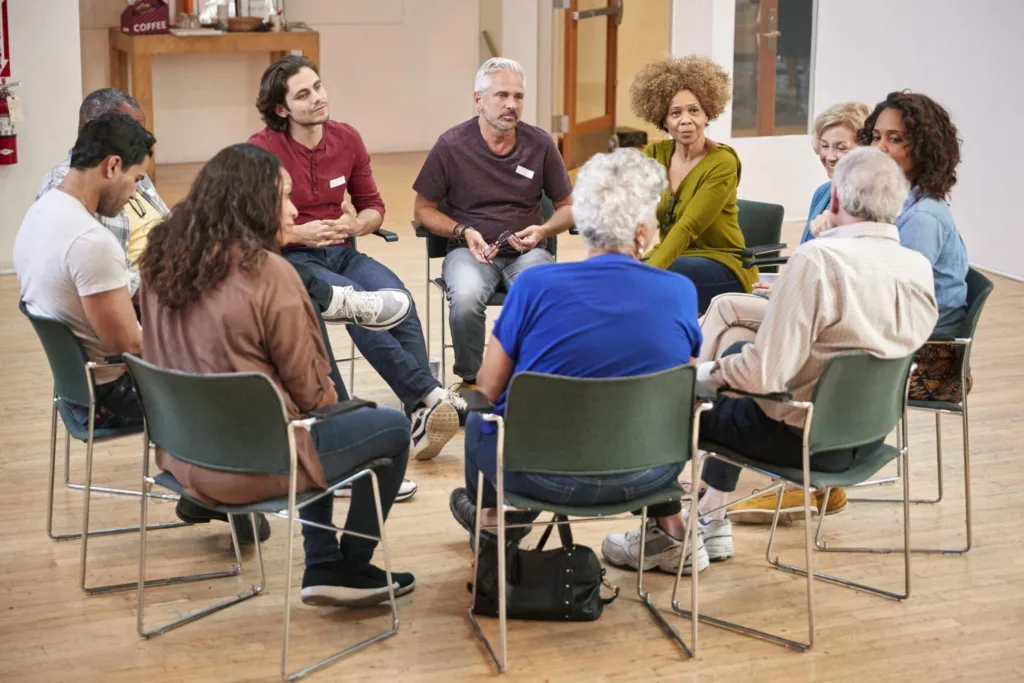
You’re good at holding it together. Your boss thinks you’re crushing it. Your friends see you as the glue. Even your family may have no idea there’s a version of you that’s coming undone behind closed doors. But you know. You know the exhaustion of always keeping up appearances, the quiet shame of habits you can’t quite control, the fear that someday it’ll all fall apart.
That’s why intensive outpatient programs (IOPs) exist. Not for the ones who’ve lost everything—but for the ones who are still managing everything, barely. The ones who can’t find space to stop and say the truth. The ones who don’t want to talk about it… until they finally do.
“I Don’t Need to Be Here” (But I Am)
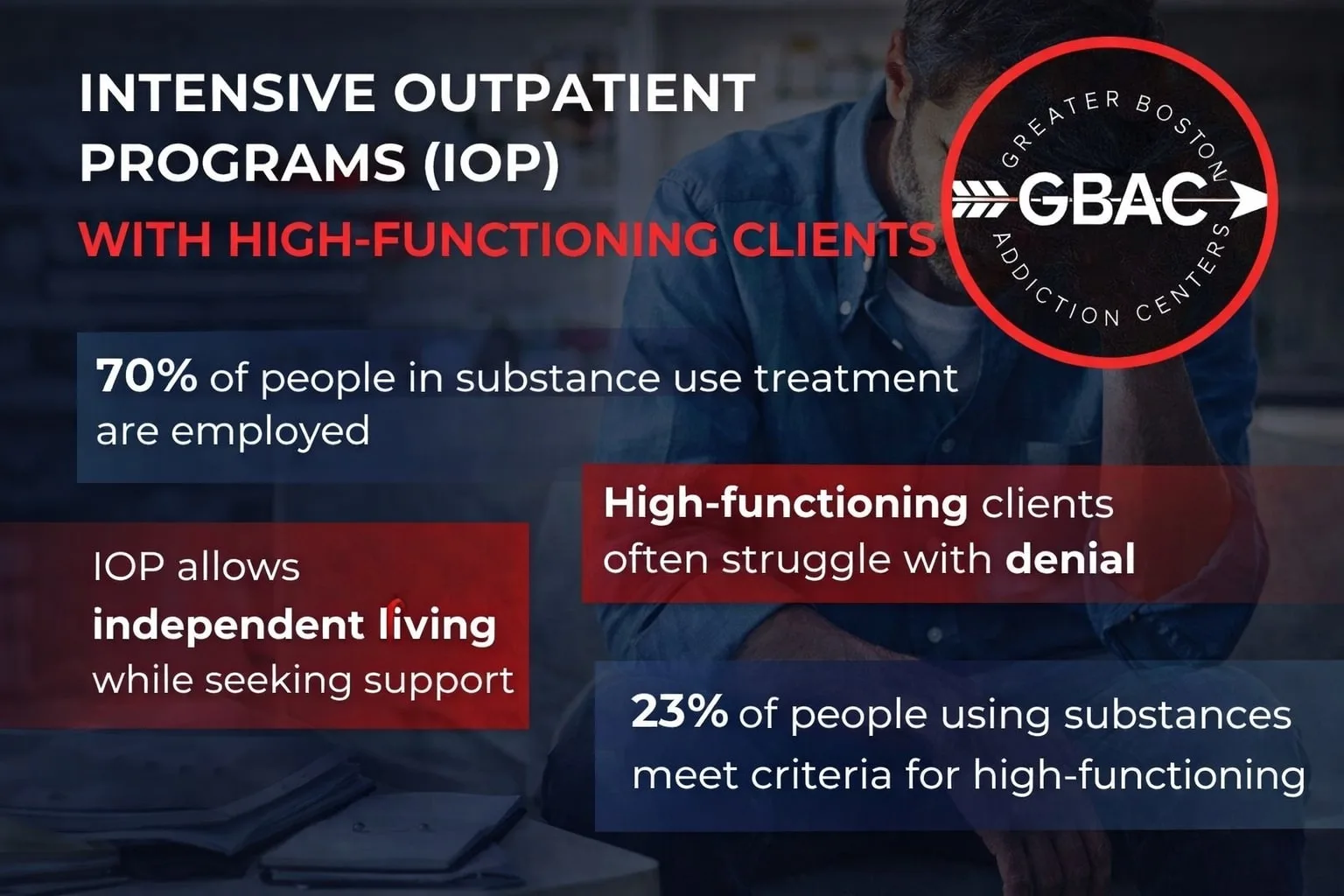
High-functioning clients often arrive in group with a quiet disclaimer: “I’m not like the others.”
They don’t always say it out loud, but it’s there—in the way they sit, the way they talk, the way they avoid eye contact.
“I didn’t hit bottom.”
“I’m still doing fine at work.”
“This is just a check-in. Not a full reset.”
The truth is, high-functioning addiction doesn’t look like a mess on the outside. It looks like someone who’s “doing great”—until they aren’t. IOP creates space where people can show up before things crash. It meets you where you are and lets you say what you’ve been silently carrying for years.
The Lie of “I’m Fine, Just Tired”
You’re not failing. But you’re not okay. And you know it.
High-functioning addiction thrives in the gap between appearance and reality. It tells you that because nothing has collapsed, nothing is wrong. But the exhaustion creeps in—mentally, emotionally, even physically. You might feel:
- Like your bandwidth is constantly maxed out
- Like you’re pretending through conversations
- Like your “relaxation” always requires substances
- Like you don’t know who you are without productivity
In IOP, one of the first things people say isn’t about substances. It’s about tiredness. Bone-deep, soul-tired exhaustion.
Not just from using—but from pretending.
The Cost of Keeping It Together
Maybe you haven’t missed a day of work. Maybe your partner doesn’t suspect anything. Maybe your social media is a highlight reel.
But keeping all that up costs something. And that cost often shows up in subtle but powerful ways:
- You stop enjoying things that used to bring joy
- You dread time alone with your thoughts
- You create rules for your use (“only after 6pm,” “not during the week”)
- You justify, minimize, explain away
By the time someone enters an IOP, they’ve usually realized they’re living with conditions—rules, restrictions, and bargaining systems they never used to need. That’s not freedom. That’s survival.
Control vs. Connection
High-functioning clients are often experts in control. They’ve built their lives on it.
But emotional health doesn’t grow in control. It grows in connection.
And connection requires honesty.
In IOP, clients often face one of the hardest internal questions:
“Do I want to get better, or do I want to stay in control?”
Sometimes those things are at odds. Because getting better often means letting go of the illusion that “control” is the same as health.
When You Realize You’re Not the Only One
There’s a powerful moment in every group: someone else says the thing you’ve been scared to admit.
And no one gasps. No one walks out. No one tells them to toughen up.
They just nod. Because they’ve been there too.
This is what IOP gives you—peers, not just providers. A space to exhale and say, “me too.”
No Rock Bottom Required
One of the biggest myths in recovery is that you have to lose everything before you deserve help.
The truth? The earlier you reach out, the more you protect what matters.
You don’t have to wreck your life to justify getting support.
Looking for intensive outpatient program in Boston? You’re allowed to seek help just because something doesn’t feel right anymore. That’s more than enough reason.
What IOP Looks Like for High-Functioning People
An intensive outpatient program doesn’t mean putting your life on hold. In fact, it’s designed for people who still have jobs, responsibilities, and schedules to keep.
At Greater Boston Addiction Centers, our IOP services in Boston include:
- Multiple sessions per week: Usually 3–5 days with morning or evening options
- Therapy and skills groups: Led by licensed clinicians who get it
- Peer support: A community of people who are also navigating the in-between
- Real-life integration: Practice new habits while staying present in your day-to-day life
You don’t have to disappear to get better. IOP is recovery with your real life still in it.
You Can Start Now—Without the Performance
Here’s what you won’t need at intake:
- A dramatic story
- Proof that things are “bad enough”
- Perfect words for how you feel
All you need is honesty. Even just a little bit.
The rest, we figure out together.
FAQ: Intensive Outpatient Program for High-Functioning Clients
What is an intensive outpatient program?
An IOP is a structured, non-residential treatment program that provides therapy and support several days per week. It’s ideal for people who need more than weekly therapy but don’t require 24/7 inpatient care.
Can I keep working while in IOP?
Yes. Most IOPs, including ours in Boston, offer flexible scheduling with daytime or evening sessions so you can maintain your work, school, or family commitments.
Is IOP just group therapy?
Group therapy is a core component, but IOP also includes individual therapy, skill-building, relapse prevention, and sometimes family sessions. It’s a comprehensive approach.
What if I’m not sure I have a “real” problem?
Many high-functioning clients feel unsure if their substance use “counts.” If you’re questioning it, that’s a sign worth listening to. You don’t have to wait for disaster to get support.
What happens after IOP?
Most people either step down to less intensive care (like weekly outpatient therapy) or continue in alumni or support groups. The goal is long-term wellness, not just temporary relief.
Ready to stop pretending and start talking—for real?
Call Greater Boston Addiction Centers at (877) 920-6583 or visit our intensive outpatient program page to learn more about services in Boston, MA. You don’t need to fall apart to get the support you deserve.
