

No one talks about the silence after the celebration.
After the one-year chip.
After the hugs.
After the “We’re so proud of you.”
When I finished Alcohol addiction treatment in Massachusetts, I thought I had crossed into a new life permanently lit from within. I expected clarity. Momentum. Gratitude that buzzed in my chest every morning.
Instead, somewhere along the way, it got… quiet.
And I didn’t know who to tell.
The Moment The High Wears Off
Early sobriety is intense.
Everything feels sharp. Music hits harder. Conversations feel deeper. You cry in meetings. You laugh harder than you have in years. You feel like you’re clawing your way back into your own skin.
That intensity doesn’t last forever.
And it’s not supposed to.
But when it fades, no one warns you how ordinary life can feel.
You wake up.
You go to work.
You come home.
You repeat.
No hangovers. No chaos. No emergencies.
Just steady.
And steady can feel suspiciously like stuck.
The Plateau No One Prepares You For
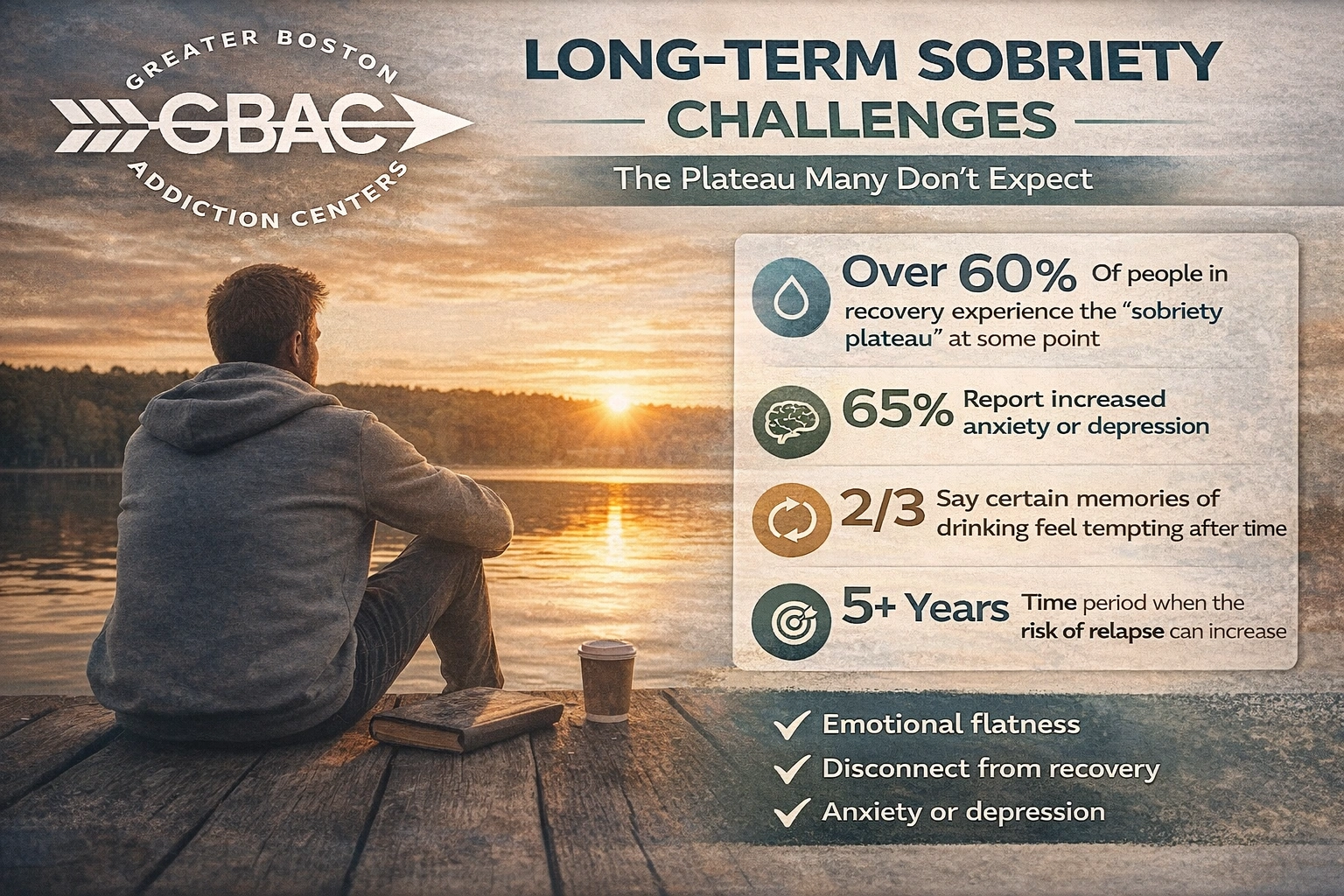
There’s a stage in long-term recovery that doesn’t get celebrated because it doesn’t look dramatic.
You’re not in crisis.
You’re not spiraling.
You’re not picking up a drink.
But you’re also not lit up.
You start thinking things you don’t say out loud:
“Shouldn’t I feel more by now?”
“Why does this feel flat?”
“Did I miss something?”
I’ve talked to alumni from neighborhoods like Dorchester, Massachusetts who rebuilt their lives brick by brick—and still quietly wondered why joy didn’t flood in permanently.
I’ve heard the same from people in Dedham, Massachusetts who did everything “right” after treatment and felt strangely disconnected two years later.
The plateau doesn’t discriminate.
It doesn’t mean you failed.
It means you’re evolving.
Stability Can Feel Like Emptiness
For years, alcohol created drama.
High highs.
Low lows.
Apologies.
Promises.
Intensity.
Sobriety removes the chaos.
But it doesn’t automatically replace it with purpose.
When the adrenaline fades, you’re left with the quieter work of building a meaningful life. And that’s harder than surviving crisis.
Crisis gives you clarity.
Peace forces you to decide who you want to become.
That can feel overwhelming.
When Mental Health Surfaces In Sobriety
Another truth: sobriety doesn’t erase everything underneath.
When mental health and substance use collide, removing alcohol can expose anxiety, depression, trauma, or unresolved grief that was numbed for years.
You might have thought stopping drinking would solve the rest.
Instead, it may have revealed more.
And that can feel unfair.
Some long-term alumni benefit from revisiting deeper support—not because they’re relapsing, but because they’re ready for the next layer. That might mean returning briefly to more structured care, individual therapy, or even exploring options like care in Residential during particularly destabilizing seasons.
Going back doesn’t erase progress.
It builds on it.
Why The Plateau Feels Dangerous
Here’s the part we don’t sugarcoat.
The plateau can be risky.
Not because you’re desperate to drink—but because your mind starts editing history.
You forget the shaking mornings.
The hospital visits.
The broken trust.
You remember the ease.
The social lubrication.
The relief.
Your brain romanticizes selectively.
And when life feels flat, relief starts looking attractive again.
This is why long-term alumni sometimes relapse—not during chaos, but during calm.
The crisis is gone. The urgency fades. And without intention, connection slowly loosens.
The Identity Shift No One Talks About
Early recovery gives you a clear role: the one who’s getting better.
People check in on you. Celebrate you. Encourage you.
But what happens when you are better?
When you’re stable. Reliable. Trusted again.
You don’t get applause for paying bills sober.
You don’t get chips for emotional maturity.
You just live.
And if your identity was built around overcoming addiction, you might feel untethered once the fight settles down.
That’s not regression.
That’s growth asking new questions.
What This Stage Is Really About
The plateau isn’t about alcohol anymore.
It’s about purpose.
It’s about asking:
What do I want now?
Who am I becoming?
What excites me beyond just not drinking?
Long-term sobriety requires reinvention.
Not dramatic reinvention. Intentional evolution.
Maybe that’s deeper therapy.
A career shift.
Creative risk.
Spiritual exploration.
Service work that actually feels meaningful.
You don’t need another rock bottom.
You need expansion.
If You Feel Disconnected From The Recovery Community
This part matters.
Sometimes alumni drift because meetings feel repetitive. Or because you’ve heard the same stories for years. Or because you’re tired of identifying primarily as “someone in recovery.”
That doesn’t make you ungrateful.
It makes you human.
But isolation is dangerous.
Even if you shift how you engage, stay connected somewhere. A therapist. A mentor. A sober friend. A group that challenges you differently.
Growth requires reflection.
And reflection requires safe space.
You’re Not Broken. You’re In Transition.
Transitions don’t feel triumphant.
They feel foggy.
There’s grief in leaving chaos behind. There’s grief in realizing sobriety doesn’t automatically hand you meaning.
But here’s the truth:
You survived something that nearly took you out.
The strength that got you sober is still in you.
It just needs a new direction.
The plateau is not a sign that alcohol addiction treatment didn’t work.
It’s a sign that you’re ready for the next layer of living.
FAQ
Is It Normal To Feel Flat After Years Of Sobriety?
Yes. Emotional intensity often decreases over time as your nervous system stabilizes. Flatness can signal a need for growth—not relapse.
Does Feeling Bored Mean I’m At Risk?
Boredom alone isn’t relapse. But chronic disconnection, isolation, or romanticizing past drinking can increase vulnerability. Awareness is key.
Should I Go Back To Treatment If I Haven’t Relapsed?
Sometimes additional support helps during major life transitions. That could mean therapy, structured care, or reconnecting with your recovery foundation. It’s not about starting over—it’s about strengthening.
What If I’m Embarrassed To Admit I Feel This Way?
You’re not alone. Many long-term alumni experience this stage. Silence increases shame. Honest conversation reduces it.
Can Mental Health Issues Show Up Later?
Absolutely. Anxiety, depression, or trauma symptoms can become clearer once alcohol is removed. Addressing them is part of long-term wellness.
How Do I Find Purpose Again?
Start small. Explore curiosity. Try something uncomfortable. Invest in relationships. Purpose is built—not discovered in a single moment.
A Direct Word From One Alumni To Another
If you’re reading this thinking, “I thought I’d feel more by now,” I see you.
You did the hard part. You stopped drinking. You rebuilt trust. You stabilized your life.
Now you’re in the quieter work.
Don’t mistake quiet for failure.
The plateau is not the end of your growth. It’s the bridge to the next version of you.
If disconnection feels heavier than you expected, don’t wait for it to turn into something louder.
Call (877)920-6583 or visit our Alcohol addiction treatment services in Massachusetts to learn more.
