

I used to say treatment didn’t work.
Not quietly. Not thoughtfully.
I said it like a verdict. Like I had proof.
After my first attempt, I walked out convinced I had evidence that nothing could fix me. Evidence that programs were just expensive pauses before the next relapse. I told friends, “I tried that already.” I said it with a shrug, like someone who had tested a restaurant and didn’t like the food.
Underneath that shrug was something heavier: disappointment that scared me more than heroin ever did.
Within days of leaving, I found myself back online looking at options for Heroin addiction treatment in Massachusetts. Not because I believed in it. Because I wanted to confirm my bias—that it was all the same, and none of it worked for someone like me.
The Lie I Believed
Here’s the lie:
“If it didn’t work the first time, it won’t work at all.”
It sounds logical. Almost rational. Like I was protecting myself from wasting time and money.
But what I was really saying was this:
“I don’t know if I can survive being disappointed again.”
That’s different.
Disappointment hits deeper than withdrawal. It whispers that you’re broken in a way that can’t be repaired. So instead of risking that feeling again, I chose certainty. And certainty, even when it’s negative, can feel strangely comforting.
What I Thought Treatment Was Supposed to Do
I walked into my first program believing it would flip a switch.
I thought I’d go in chaotic and come out calm. I assumed cravings would disappear. That the obsessive thoughts would quiet down. That I’d feel strong and clear and permanently changed.
When I left and still had urges, still felt restless, still didn’t trust myself, I decided the program failed.
What I didn’t understand at the time is that treatment doesn’t erase desire overnight. It creates structure around it. It gives you tools, but it doesn’t use them for you. It’s not anesthesia for your brain. It’s rehab for it.
And brain rehab is slow.
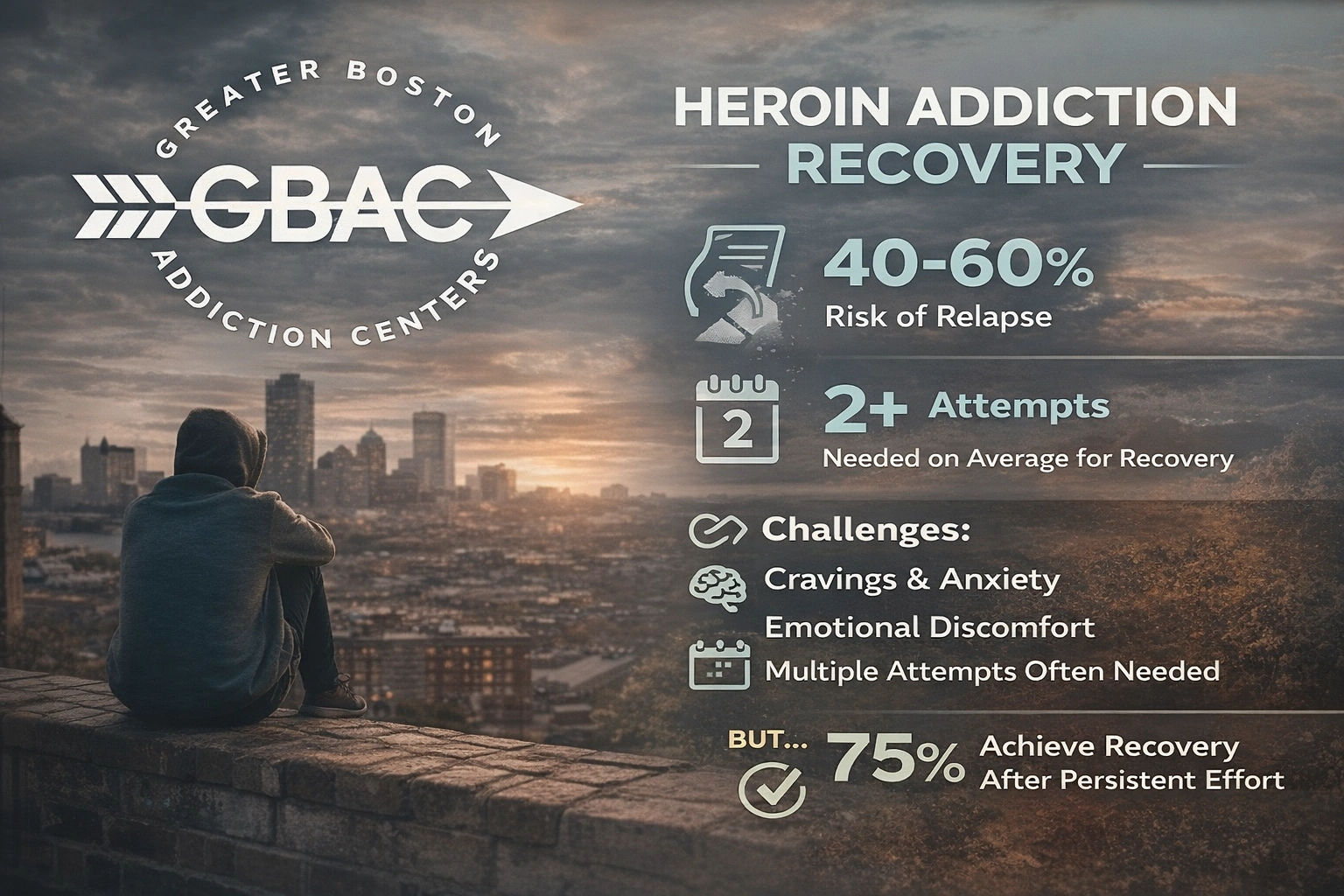
No one told me that discomfort after treatment didn’t mean it was pointless. It meant I was in the messy middle.
“It Didn’t Work” Often Means “It Didn’t Feel Easy”
When I said treatment didn’t work, here’s what was actually happening:
- I still felt cravings.
- I felt awkward in group settings.
- I didn’t like taking direction.
- I missed the relief heroin gave me.
- I resented having structure.
None of those things meant the program failed.
They meant I was detoxing from a lifestyle, not just a substance.
There’s a grief that comes with letting go of heroin. It’s not just physical. It’s emotional. It was my coping strategy, my escape hatch, my routine. Taking that away left space. And space can feel terrifying.
So instead of saying, “This is hard,” I said, “This doesn’t work.”
It was easier to blame the container than to sit with my own discomfort.
I Tried to Do It My Way
After my first attempt, I told myself I’d apply what I learned—but on my terms.
I’d go to a few meetings. Maybe check in with someone once in a while. But I didn’t want “too much structure.” I didn’t want anyone watching me closely. I definitely didn’t want to feel restricted.
Within weeks, the old patterns crept back in. Same environments. Same stressors. Same internal negotiations.
I underestimated how powerful routine is. I thought willpower would be enough.
It wasn’t.
Some people need more time in contained support before jumping back into daily life. A setting where you’re not balancing work, relationships, and recovery all at once. Something steady. Something that gives your nervous system time to level out. For me, I probably needed a deeper commitment to structured care instead of rushing back out to prove I was fine.
That wasn’t weakness. It was reality.
The Skepticism Was Protective
If you’re reading this thinking, “I already tried. Why would this be any different?”—I understand that seat.
Skepticism can feel smart. It protects you from hope. And hope is risky.
Because if you hope again and it doesn’t work, the crash feels worse.
But here’s what I had to confront: my skepticism wasn’t neutral. It was shaping my outcome. If I walked into a room convinced it wouldn’t help, I wasn’t exactly open.
I wasn’t asking, “What can I get from this?”
I was asking, “Where is this going to fail?”
That mindset matters.
Not because you need blind faith. But because you need enough openness to experiment with a different way of living.
The Second Attempt Felt Different—Not Easier
The second time I sought help, it wasn’t because I suddenly believed in the system.
It was because I was tired.
Tired of cycling.
Tired of the mental math.
Tired of saying, “I’ve got this,” when I didn’t.
I stopped expecting a cure and started looking for stability. I didn’t ask whether it would eliminate cravings forever. I asked whether it could help me build a life where cravings didn’t run the show.
That’s a different question.
I also paid attention to level of care. I needed more than casual check-ins. I needed daily accountability. I needed time to break the momentum of using.
People in communities like Dedham, Massachusetts and Newton, Massachusetts are not immune to this cycle, even if it looks different on the outside. High-functioning. Family-oriented. Career-driven. The struggle can be quiet there. Private. Polished. But heroin doesn’t care about zip codes.
Recovery, though, often requires proximity to real support—real structure—not just good intentions.
What I Wish Someone Had Told Me
I wish someone had said this plainly:
Treatment working doesn’t mean you never struggle again.
It means you respond differently when you do.
The first time I relapsed, I saw it as proof I was hopeless. The second time I slipped, I reached out sooner. I didn’t disappear. I didn’t burn everything down. That shift alone showed me something had changed.
Progress isn’t dramatic. It’s subtle.
It looks like:
- Pausing before acting.
- Telling on yourself instead of hiding.
- Choosing one healthy decision in the middle of chaos.
- Returning after you ghosted.
None of that feels cinematic. But it’s real.
You’re Not Broken Because It Took More Than One Try
Addiction convinces you that if you don’t “get it” immediately, you never will.
But most meaningful change in life takes repetition. No one expects to go to the gym twice and leave permanently strong. No one expects to see a therapist three times and have every trauma resolved.
Yet we expect one round of heroin addiction treatment to rewire years of patterns.
That’s not realistic.
And it doesn’t make you defective.
It makes you human.
When Mental Health And Substance Use Collide
Something else I missed the first time was how much of my heroin use was tied to anxiety and depression I didn’t fully understand.
I thought if I stopped using, everything else would magically stabilize.
It didn’t.
When mental health and substance use collide, you’re not just managing cravings. You’re managing the emotions the substance used to numb. If that part isn’t addressed, the pull back to heroin can feel overwhelming.
The second time around, I paid more attention to the underlying stuff. The restlessness. The irritability. The sadness I’d been running from. That work wasn’t flashy. But it made recovery sturdier.
FAQ
What If I Already Tried Treatment And Relapsed?
Relapse does not erase what you learned. Even if it feels like it did.
If you relapsed, ask yourself: What worked even a little? What support level did I have? What was missing? Sometimes the adjustment isn’t about trying harder—it’s about trying differently.
How Do I Know If I Need More Structure?
If you keep telling yourself you can manage alone but keep ending up in the same cycle, that’s a sign more structure could help. Daily accountability, contained support, and consistent check-ins can interrupt momentum long enough for real change to take root.
Does Treatment Have To Be All-Or-Nothing?
No. Recovery isn’t about being perfect forever. It’s about engaging honestly. If you struggle, that doesn’t mean you’re out. It means you’re human. The key is returning instead of disappearing.
What If I Don’t Trust Programs Anymore?
You’re allowed to be cautious. Ask questions. Be clear about your concerns. The goal isn’t blind trust—it’s informed participation. Skepticism can coexist with willingness.
Is It Normal To Feel Emotionally Flat After Stopping Heroin?
Yes. Your brain needs time to recalibrate. Emotional numbness or intensity can show up during early recovery. It doesn’t mean you’re incapable of feeling joy again. It means your nervous system is adjusting.
What Makes The Difference The Second Time?
Often it’s honesty. A deeper willingness. A better match in level of care. Or addressing underlying mental health concerns alongside substance use. Sometimes it’s simply being more tired of the cycle than afraid of change.
A Quiet Possibility
If you’re skeptical right now, you don’t have to flip a switch.
You don’t have to suddenly believe.
Just consider this: maybe the first attempt wasn’t proof of failure. Maybe it was data.
Maybe you learned what level of support wasn’t enough. Maybe you learned what triggers you underestimated. Maybe you learned that white-knuckling isn’t sustainable.
Heroin addiction treatment isn’t about being fixed. It’s about building a structure that holds you steady while you rebuild your life.
You’re allowed to question. You’re allowed to be cautious. Just don’t let one experience decide the rest of your story.
Call (877)920-6583 or visit our Heroin addiction treatment in Massachusetts to learn more about.
