

Early recovery is an uncanny place—like standing in a quiet room with all the furniture moved but nothing put back yet. You think you should feel relief, but instead you feel exposed. Small noises startle you. Emotions sit heavy in your chest. That’s where EMDR (Eye Movement Desensitization and Reprocessing) comes in, not as a magic eraser, but as a compassionate guide through what feels too big to face alone. At Greater Boston Addiction Centers, we meet many people who are newly sober, deeply lonely, and unsure if healing is even possible. Some come from Dedham, some come from farther away—but all of them ask the same searching questions.
Here are the EMDR questions we hear most often from folks in those first tender months of recovery.
What exactly is EMDR and how does it help people in early recovery?
EMDR stands for Eye Movement Desensitization and Reprocessing. In plain language, it’s a structured therapy designed to help your brain reorganize painful memories so they no longer trigger intense emotional reactions.
People in early recovery usually come to it after years of using substances to push feelings down. Recovery lifts that numbing veil, and painful memories can feel like they’re on full volume again. EMDR doesn’t make you relive those experiences as if you’re back in them. Instead, it helps your brain process what happened in a way that diminishes the charge.
Imagine your trauma like a tangled set of Christmas lights in a drawer. Every time you touch them, they seem to spark and tighten. EMDR is the patient, gentle hand that starts weaving each strand out so the lights actually work—not ripping the drawer open or forcing everything apart at once.
Will EMDR force me to talk about painful memories I’m not ready for?
This is one of the most common fears we hear, and it makes total sense. Early recovery can feel like emotional skin that’s paper‑thin, and the prospect of trauma work feels threatening—like reopening wounds before they’ve scabbed.
Here’s the good news: EMDR doesn’t demand that you recount every painful detail like a storytime exercise. You aren’t asked to describe your trauma in graphic detail the way talk therapy might require. The focus is on processing what your nervous system has stored, not on narrating your pain on command.
Sessions are paced to your emotional readiness, and your clinician never pushes you into ground that feels unsafe. We don’t want you re-traumatized—we want you supported.
I just got sober. Is it too soon for trauma work like EMDR?
There’s no one-size-fits-all timeline, but the essence of trauma work is emotional safety. Jumping into EMDR before you have sufficient coping skills and stability can be overwhelming. That’s why we often pair or precede EMDR with foundational work—skills that help regulate emotions, tolerate distress, and build stability in sobriety.
Some people in early recovery will begin with stabilizing therapy or talk therapy to build strength before EMDR. Others may start slower with EMDR right away, but only after the clinician has confirmed that they have the emotional resources to handle the process.
It’s not about an arbitrary waiting period; it’s about readiness. EMDR works best when your nervous system has a chair to sit on—not when it’s still spinning on the floor.
Does EMDR only help with trauma from childhood or big events?
Not at all. EMDR is highly versatile. Yes, it’s often used for big‑T traumas like accidents, abuse, or loss—but it’s also profoundly effective for the smaller, persistent pain that wears a person down over time. This includes:
- Years of emotional neglect
- Shame and self‑criticism
- Failed or toxic relationships
- Internalized messages from childhood
- Grief that won’t resolve
- Repeated patterns of feeling unsafe
In recovery, many people realize that it wasn’t just one big event that hurt them—it was a series of moments that never got processed. EMDR gives the brain a different way to file those experiences so they stop looping in the background, influencing choices and emotional reactions.
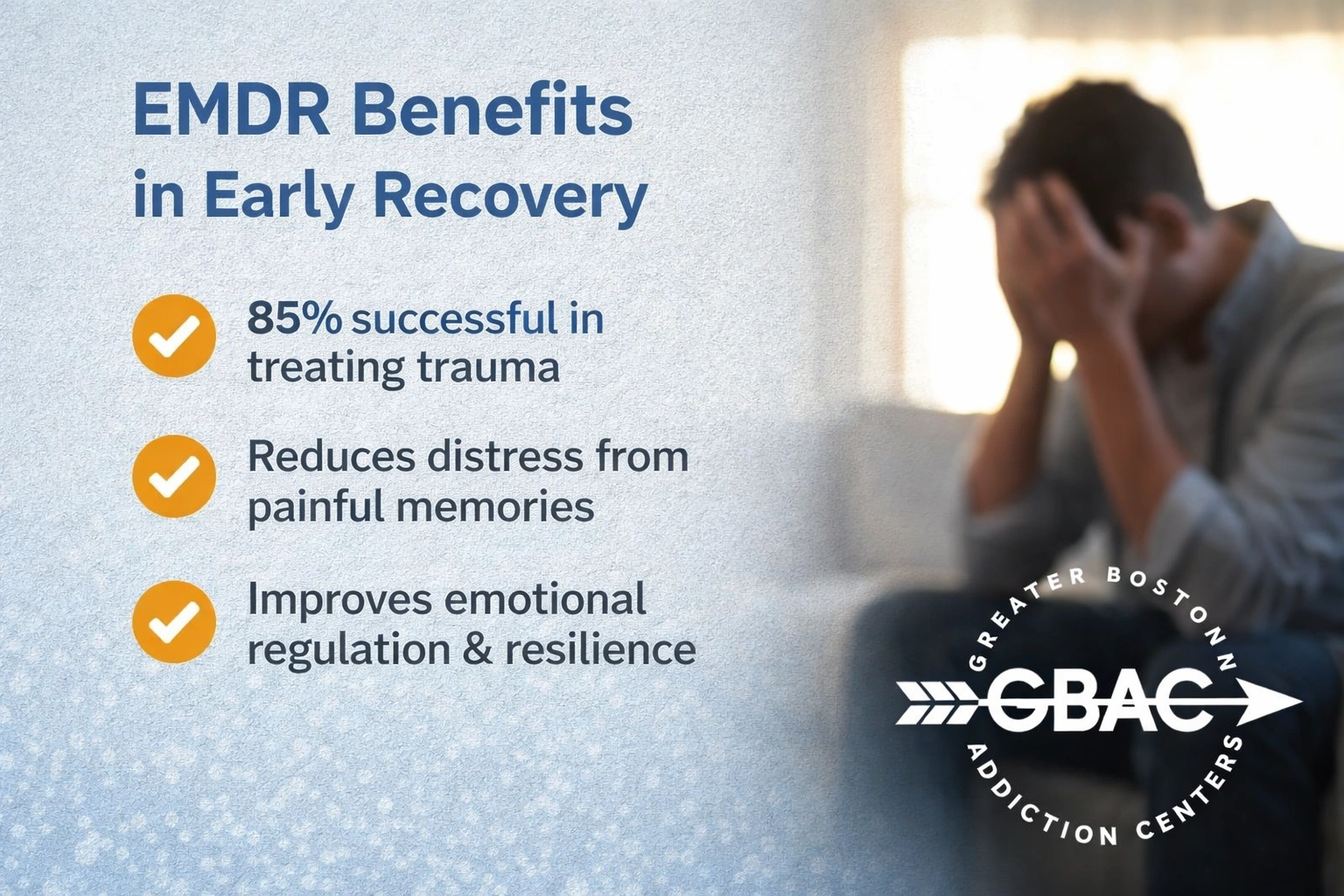
What does an EMDR session actually feel like?
Every person’s experience is unique, but here’s a common throughline: EMDR doesn’t feel like traditional talk therapy, and it doesn’t feel like re‑living trauma in real time.
Sessions often involve:
- Brief discussion of what you want to work on
- Establishing safety anchors and grounding skills
- A focus on a single memory, sensation, or belief
- Guided bilateral stimulation (like eye movements or taps)
You might notice emotions rising or falling, images or thoughts changing, or even physical sensations shifting. Some people feel lighter; others feel tired afterward. But most report that they don’t feel retraumatized in the moment. Instead, they feel held in a process that’s active and contained.
Think of this work like physical therapy for your nervous system: you don’t push through pain—you work with guidance, repetition, and care.
I get overwhelmed easily. Can EMDR make that worse?
A truly skilled EMDR clinician isn’t going to throw you into the deep end. The process is designed with built‑in pauses, safety checks, and emotional grounding. We often teach coping skills before memory processing begins so that when emotions show up, you know they’re temporary, manageable, and not a signal of danger.
If you’re someone who gets overwhelmed, that’s not a disqualification—it’s a reason to approach EMDR thoughtfully. Your clinician will help you build resilience during the work, not after.
What if I start crying or feel worse after a session?
Crying, discomfort, or feeling tender after EMDR is normal. That doesn’t mean the therapy isn’t working. It means something important is shifting inside you. It’s similar to how your body feels after a meaningful conversation or a powerful emotional release—you feel raw, but lighter.
A good clinician will help you interpret those feelings and build strategies for self‑care between sessions. You won’t be left alone with those emotions—they’re part of the process, not a sign that you’ve failed or that the therapy is harmful.
How many EMDR sessions does it take to see shifts?
There’s no hard number. Some shifts begin in the very first session; others take weeks or months. What’s important isn’t hitting a number—it’s progress, safety, and sustainability.
People often notice:
- Memories feel less intense
- Emotional reactions soften
- Negative beliefs lose their grip
- Somatic (body) stress decreases
- Patterns feel more negotiable
EMDR isn’t a race. It’s a series of steps toward resilience. People in early recovery often say they didn’t notice how much pain they were carrying until it began to ease.
What if I don’t believe EMDR will work for me?
You don’t need to believe in EMDR like it’s a mantra or religion. You just need openness—just enough curiosity to try it. Many people who are skeptical at first find that the work affects them in ways they didn’t predict.
EMDR doesn’t depend on faith. It depends on a structured neural process that helps the brain do what it was designed to do—make meaning, integrate experience, and return to baseline.
If openness were a key, many people have turned it in reluctantly—and still unlocked relief.
How can I tell if EMDR is right for me?
Ask yourself these gentle questions:
- Do I notice old memories coming up in new ways?
- Are there feelings I can’t seem to shake even in sobriety?
- Do I get stuck in loops of shame, fear, or self‑blame?
- Do I want help moving through memories, not revisiting them?
If you said “yes” to any of these, EMDR might be worth exploring. And you don’t need to decide alone. The first step is a conversation—a safe, honest talk about where you are and what you need.
Therapy isn’t about knowing all the answers. It’s about showing up with questions—and getting help to explore them.
EMDR and recovery: a closing thought
Recovery isn’t only about staying sober. It’s about getting well. Sometimes that means peeling back layers you never had space to examine. EMDR is a tool—not a cure, not a quick fix—but a compassionate way to help your nervous system catch up with your intentions.
One client once said, “It’s like my brain finally agreed to stop replaying the old tapes.” That’s the kind of shift we hope for. Not perfection. Not erasure of memory. Just freedom from the pull of the past.
If you feel tender, afraid, exhausted, hopeful, confused—or all of those at once—that’s okay. That’s human. And that’s exactly where healing can begin.
Call (877)920-6583 to learn more about our EMDR therapy in Massachusetts.
Whether you’re still adjusting to sobriety or wondering what comes next, you deserve support that’s skilled, safe, and compassionate.
